Wisereads Vol. 169 — Ralph Waldo Emerson's Essays, Addy Osmani on Critical thinking when agents do the work, and more
Last week, we shared a copy of Seneca's Moral Letters to Lucilius, also known as Letters from a Stoic. This week, we're sharing a collection of Ralph Waldo Emerson's essays, including Self-Reliance, Compensation, and The Over-Soul.
Keep reading to add to your Reader account below 👇
Most highlighted Articles of the week

The components of agent memory
Training an agent to capture memories that prove useful down the line is a thorny problem. Anthropic’s researchers break down the tradeoffs and how the industry borrows from the human brain. "Researchers at Letta and UC Berkeley proposed sleep-time compute as a way for models to use idle time between interactions to reorganize their existing context. The same idea can help agents organize their memory by reflecting on logs to fix mistakes or produce new notes and representations. This process is often called dreaming."
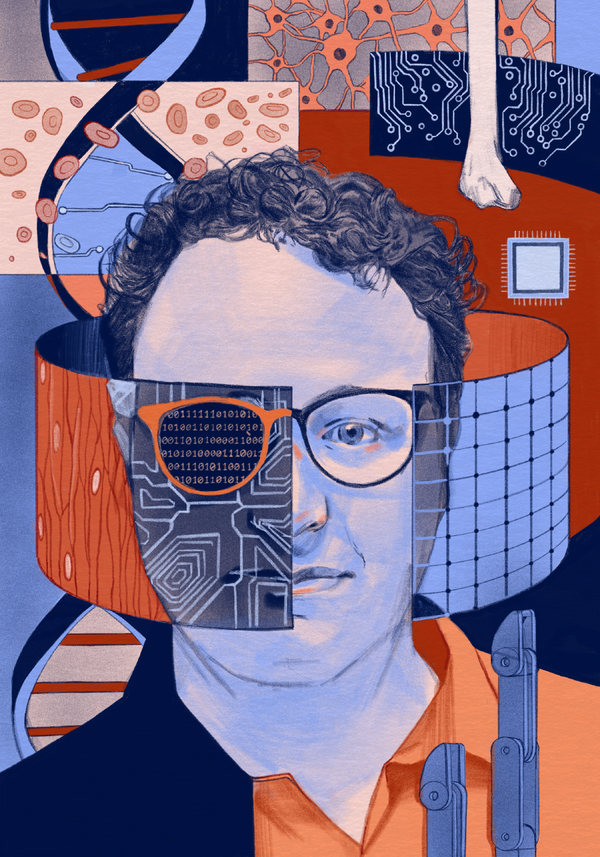
The Making of Dario Amodei
Rationalism and effective altruism shaped Anthropic's chief executive, more than two dozen colleagues told New York Times reporters. "These schools of thought fused for Dr. Amodei into an unyielding conviction that A.I. could be so dangerous that only he and like-minded technologists could be entrusted with building it."

Writing as a thinking tool
MongoDB research scientist Murat Demirbas recalls staring at text on a page in middle school, understanding nothing. Making mind maps on paper made things click for him, and blogging does the same now: "I refer back to my own blog constantly. Because I strained my brain writing those posts, rereading them re-fires the same neurons, and I reconstruct the understanding quickly. In this sense, the blog became my external memory. The thoughts I never wrote down do not stick well, because they were never fully thought."
Most highlighted YouTube Video of the week

This Liquid Can Pass Through (Almost) Anything
Veritasium tracks scientists' race to the coldest temperatures possible, turning gas after gas to liquid. Helium held out longest, and when cooled further still, it became a superfluid that does the (seemingly) impossible. "If you put it in a cup, a thin film climbs up and over the walls, so it empties itself. You can also use superfluid helium to create a fountain with no moving parts. It is powered solely by light. Scientists spent 30 years looking at this liquid without realizing what they had created."
Most highlighted Twitter Thread of the week
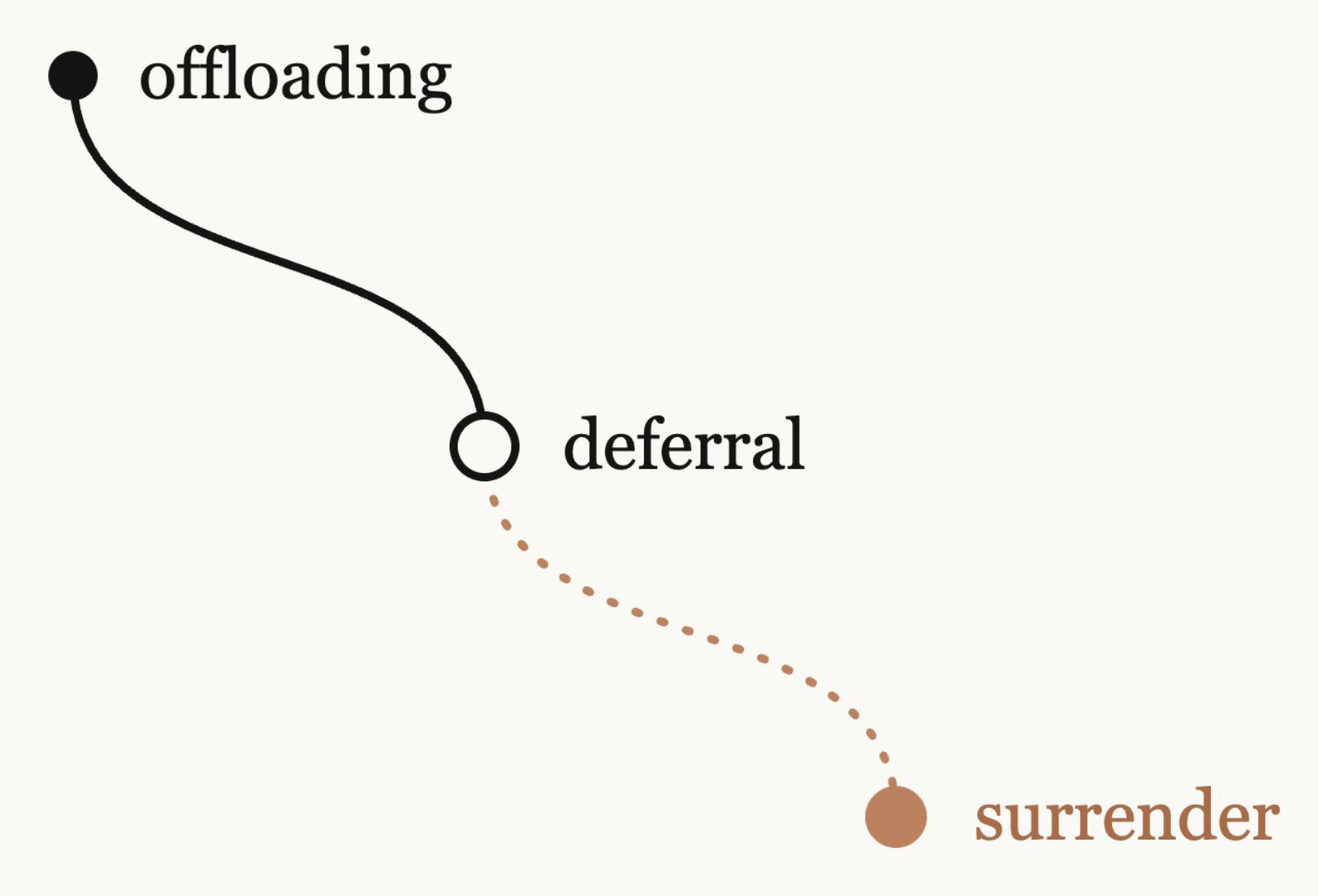
Critical thinking when agents do the work
Cognitive surrender arrives one skipped review at a time, writes Addy Osmani, who is now a member of technical staff at Anthropic. "You read the last answer well, so you skim the next one. You just scan the skeleton of the one after that. Then you get asked about a line and can't explain it, even with your agent's help."
Most highlighted PDF of the week
The School
A teacher narrates a year of small catastrophes in postmodern master Donald Barthelme's 1974 New Yorker story. "So we've got thirty kids there, each kid had his or her own little tree to plant, and we've got these thirty dead trees. All these kids looking at these little brown sticks, it was depressing."
Hand-picked book of the week

Essays
Emerson left the pulpit in 1832 because he could no longer give communion in good conscience. He lectured for a living after that, and much of the material became two volumes of essays, published in 1841 and 1844. Whitman found his idea of the American poet in them. Nietzsche took the epigraph for The Gay Science from one. Self-Reliance is the best known, and it’s where Emerson defends changing his mind.
"A foolish consistency is the hobgoblin of little minds, adored by little statesmen and philosophers and divines. With consistency a great soul has simply nothing to do. He may as well concern himself with his shadow on the wall. Speak what you think now in hard words and tomorrow speak what tomorrow thinks in hard words again, though it contradict everything you said today... To be great is to be misunderstood."
This edition of Essays is available through Standard Ebooks. You can explore their ever-expanding collection of high-quality, carefully formatted, and free public domain ebooks here.
Handpicked RSS feed of the week
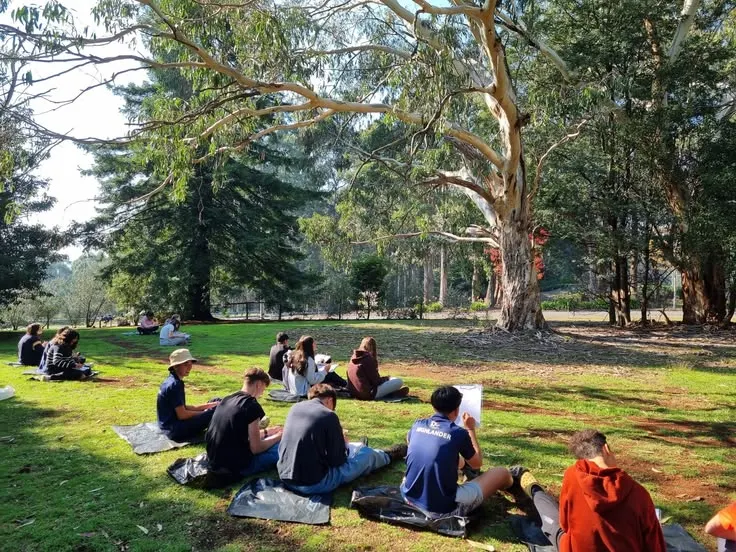
perfume & letters
Teodoraa writes perfume & letters, threading essays on curiosity and attention with epigraphs from Einstein, Feynman, and Dewey. From we lost the desire to know things just out of curiosity: "Curiosity requires vulnerability. You have to accept that you don't know everything, that someone else might know more than you and that your understanding can change. There is nothing wrong with being unfamiliar with a subject. What's concerning is losing the willingness to become familiar with it."