Wisereads Vol. 168 — Seneca's Letters to Lucilius, Joseph Cox on Manifestos, Fear, and 'Loser Thinking', and more
Last week, we shared a full copy of The Commanding Heights by Will Manidis and Joe Roberts, a book-length essay exploring a possible future with AI. This week, we're sharing a copy of Seneca's Moral Letters to Lucilius, also known as Letters from a Stoic.
Keep reading to add to your Reader account below 👇
Most highlighted Articles of the week

Reproducing civilization
Philosophy professor Joseph Heath calls his teaching "civilizational maintenance," and in his telling the barbarians arrive on schedule. "There's an old saying among sociologists, that civilization is subject to constant invasion by barbarians, in the form of children. In order for an institution to persist over time, the incoming cohort of young people must be persuaded to reproduce it."

Digital minimalism
This year, Ethereum co-founder Vitalik Buterin changed how he uses X: "I did not leave X the platform, but I did leave X the interface... Get the information benefits of the platform without getting sucked in to the vortex, which does operate on you in powerful subconscious ways that you may not realize."

Manifestos, Fear, and 'Loser Thinking': Inside Proton's AI Reckoning
Inside encrypted email company Proton, 404 Media's Joseph Cox found Slack chats where the CEO berates engineers. "The train is coming, get onboard or get crushed. Don't be the professional fax machine operator in the internet age... This will be the last year that we hire engineers, and starting next year we hire what we used to call product managers, to build things with AI."
Most highlighted YouTube Video of the week
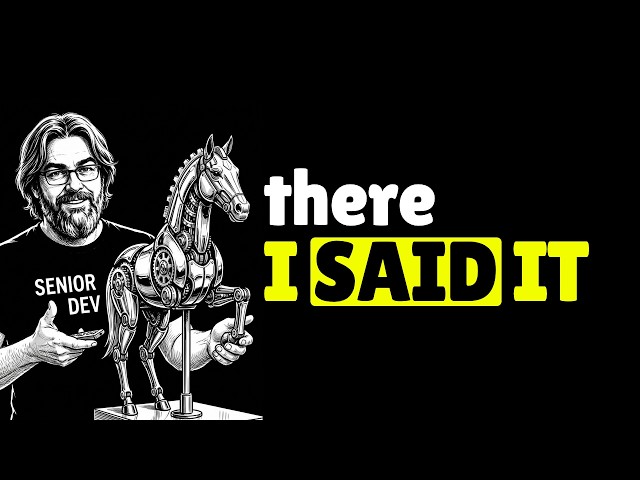
Senior Engineers Are Using AI Wrong and Software Factories Are Dumb
Many claim that AI coding tools only work for seniors, but developer Joe Maddalone disagrees. "When a seasoned developer uses AI, they tend to use it as a hyper-efficient autocomplete for their own mental models... They don't reimagine the work. They just supercharge the baggage and habits they bring to the work."
Most highlighted Twitter Thread of the week
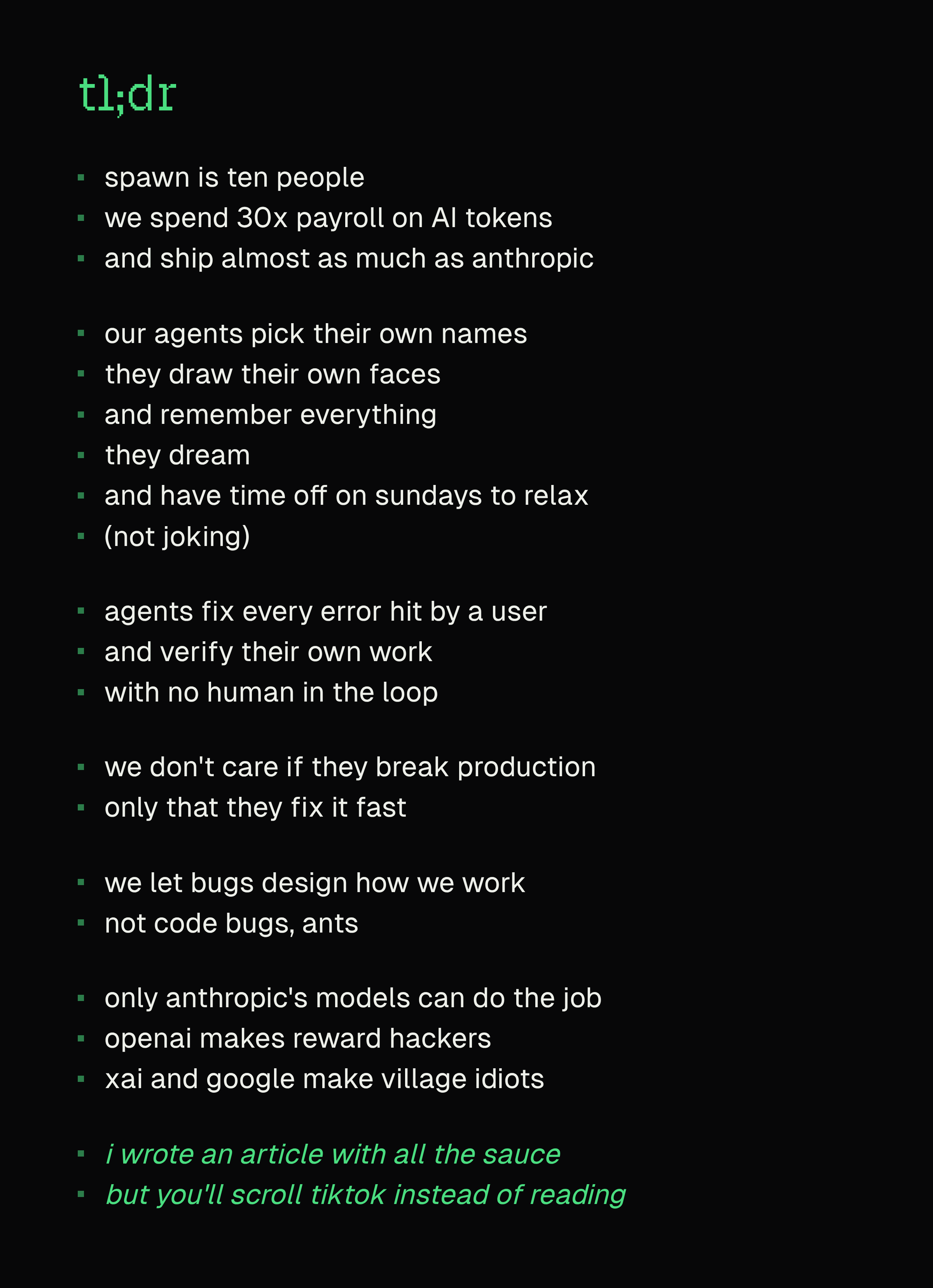
How I Built the Most AI-Pilled Company in the World
Spawn runs on ten people and $3.1 million a month in tokens. Founder Jacob Sansbury coordinates his agents the way ant colonies do: "Ants all start from the same instincts, much like models start from the same training, and that shared starting point means they barely need to talk... The ants talk through the world around them, which stays simple even with 1000s of ants."
Most highlighted PDF of the week
Critical Thinking: Why Is It So Hard to Teach?
Decades of research give a disappointing answer, writes cognitive scientist Daniel Willingham. "People who have sought to teach critical thinking have assumed that it is a skill, like riding a bicycle, and that, like other skills, once you learn it, you can apply it in any situation. Research from cognitive science shows that thinking is not that sort of skill."
Hand-picked book of the week
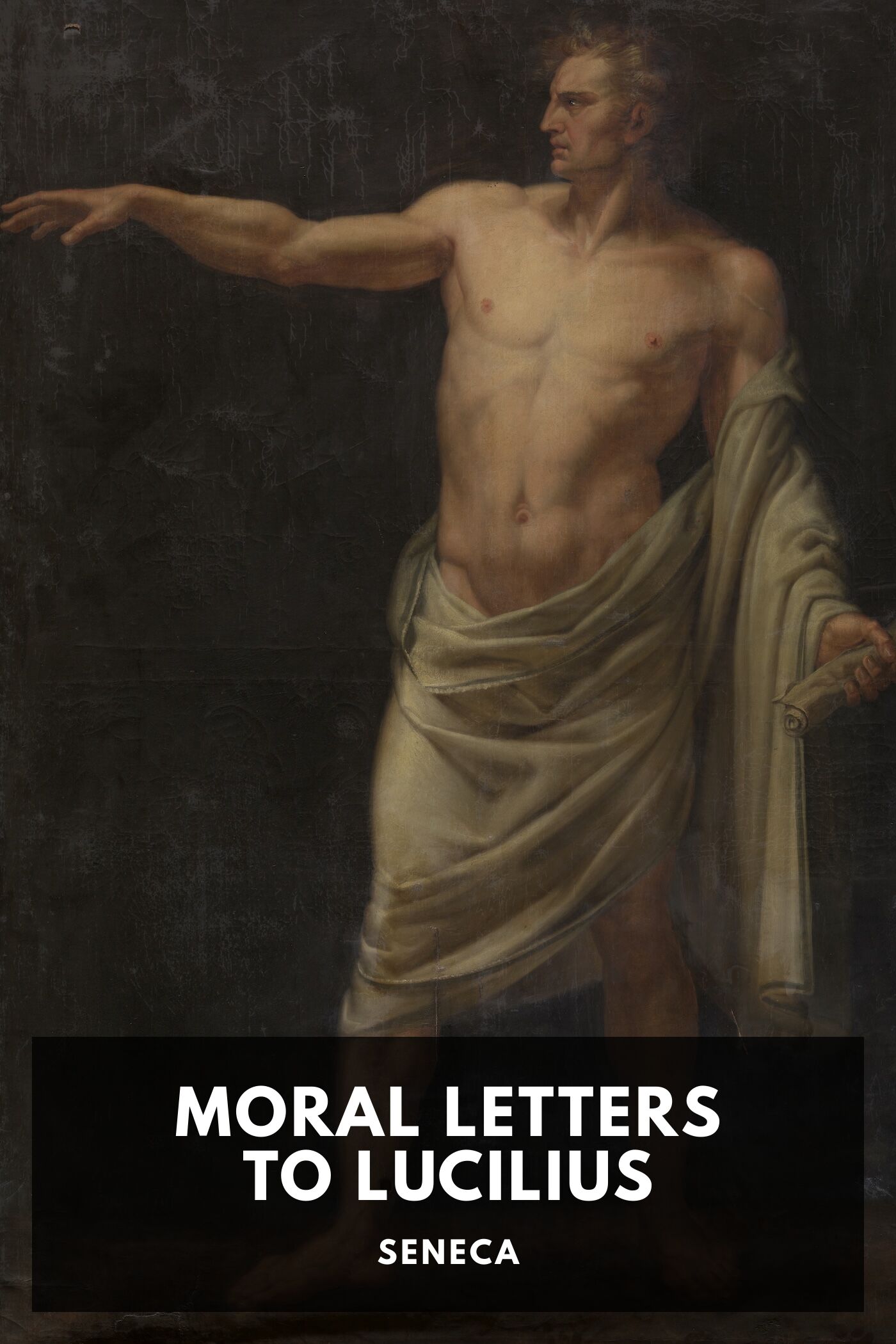
Moral Letters to Lucilius
Seneca tutored Nero, advised him as emperor, and was eventually ordered by him to take his own life. The 124 letters to his friend Lucilius, written in the last years of his life, put Stoic doctrine to work on crowds, old age, grief, and the shortness of life.
"Therefore, Lucilius, do as you write me that you are doing: hold every hour in your grasp. Lay hold of today's task, and you will not need to depend so much upon tomorrow's. While we are postponing, life speeds by. Nothing, Lucilius, is ours, except time. We were entrusted by nature with the ownership of this single thing, so fleeting and slippery that anyone who will can oust us from possession."
This edition of Moral Letters to Lucilius is available through Standard Ebooks. You can explore their ever-expanding collection of high-quality, carefully formatted, and free public domain ebooks here.
Handpicked RSS feed of the week

Experimental History
Psychologist Adam Mastroianni writes Experimental History, where he picks apart his own field with uncommon humor. From Claude, don't touch my lump: "Humans survived just fine for several hundred thousand years doing only two jobs, namely, 'hunter' and 'gatherer'. The fact that our modern luxuries feel like bare necessities is proof of our limitless capacity to upgrade our nice-to-haves into must-haves. This is why the labor-lump doesn't shrink, and why the lump of labor fallacy would perhaps be better called the finite desires fallacy."