Wisereads Vol. 167 — The Commanding Heights by Will Manidis and Joe Roberts, Venkatesh Rao on Cognitive Mercantilism, and more
Last week, we shared a preview of Dr. Zelana Montminy's Finding Focus: Own Your Attention in an Age of Distraction. This week, we're sharing a full copy of The Commanding Heights by Will Manidis and Joe Roberts, a book-length essay that investors and the tech crowd have spent the week arguing over.
Keep reading to add to your Reader account below 👇
Most highlighted Articles of the week

The iPhone Duo
Apple's backordered foldable has John Gruber, a twenty-year reviewer of Apple hardware, feeling split. "The Duo name is perfect. It truly is like having two devices in one. The outer device is, by far, the worst iPhone Apple has ever made. It's a miserable fat little thing. The inner device is a splendid, joyful, beautiful tablet, with a UI that out-iPads the iPad."
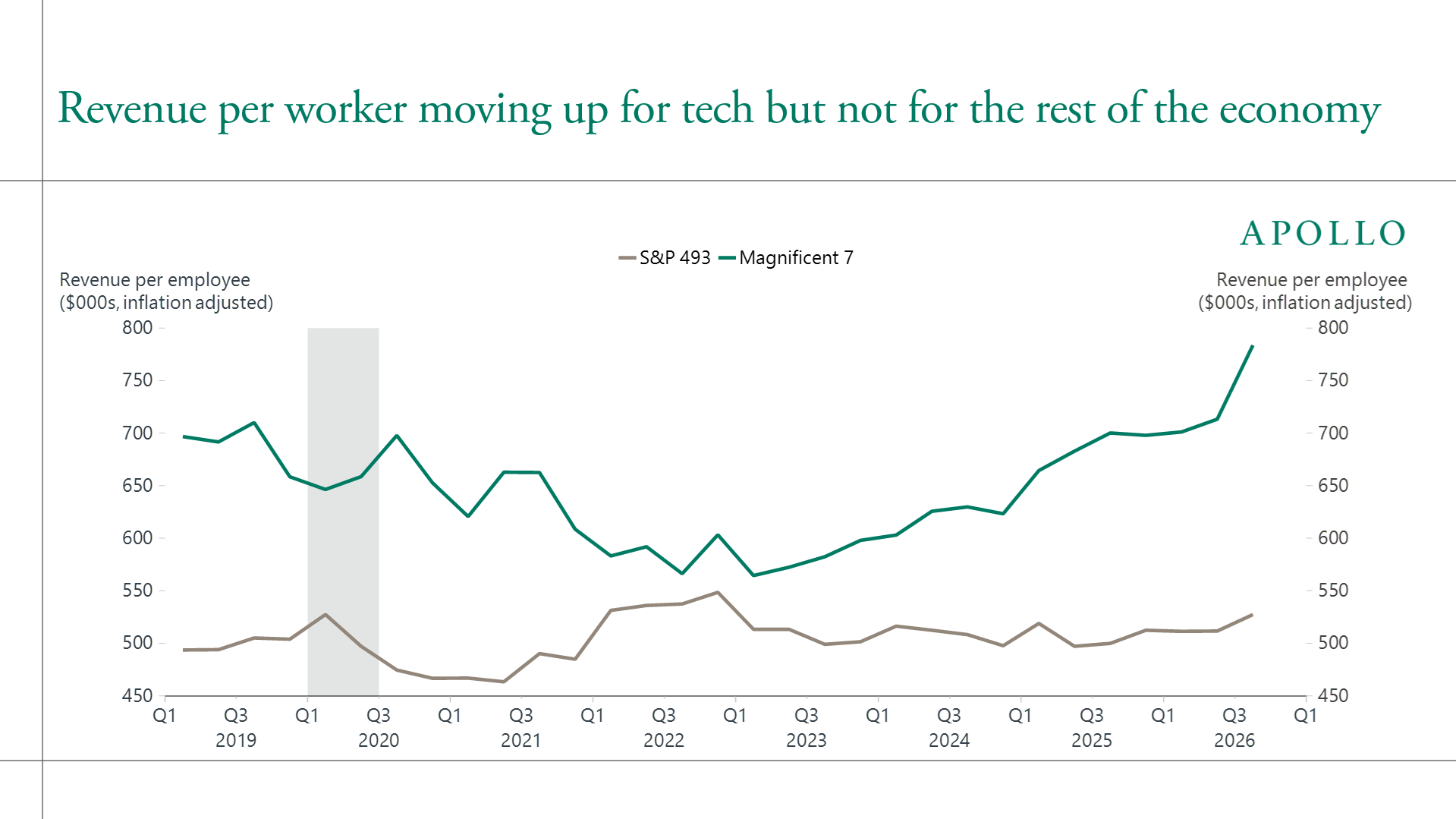
No Signs of AI Payoff Outside the Tech Sector
Zero. That is the financial payoff AI has delivered outside tech, says Apollo chief economist Torsten Slok. "AI may be a great calculator, but in business, intelligence is mostly judgment. Judgment depends on context, and the answer varies with which human or which model you ask."

Cognitive Mercantilism
After reading Joyce Appleby's history of capitalism, Venkatesh Rao suggests that much of today's AI panic reflects "cognitive mercantilism," treating intelligence as a scarce resource to hoard. "The crucial economic question then becomes not how much intelligence people can produce, but how much intelligence they can find uses for."
Most highlighted YouTube Video of the week
Peter Thiel: The Real Danger of AI Isn't What You Think
Pressed by biographer Walter Isaacson, PayPal co-founder Peter Thiel revisits his prophecy. "The way the Antichrist would take over the world is you talk about Armageddon nonstop. You talk about existential risk nonstop. The Antichrist wouldn't seize power by creating an AI apocalypse, but by convincing everyone that the apocalypse was coming."
Most highlighted Twitter Thread of the week

How I work with Agents
Thorsten Ball builds Sourcegraph's Amp coding agent, and he found a way to stop hallucinations. "What stopped hallucinations? Tool calls. They let agents touch our reality. If the agent can't see something, it makes it up."
Most highlighted PDF of the week
Why is AI-generated language so hard to understand?
Linguists at NYU and UT Austin demonstrate the problem of AI-generated prose in the first line of their paper: "Your instinct is right; the convoluted sentence you are currently reading is quietly eating its own reader-patience budget — footnote it. If you saw that sentence in the wild, you might suspect that it's the product of a modern LLM."
Hand-picked book of the week
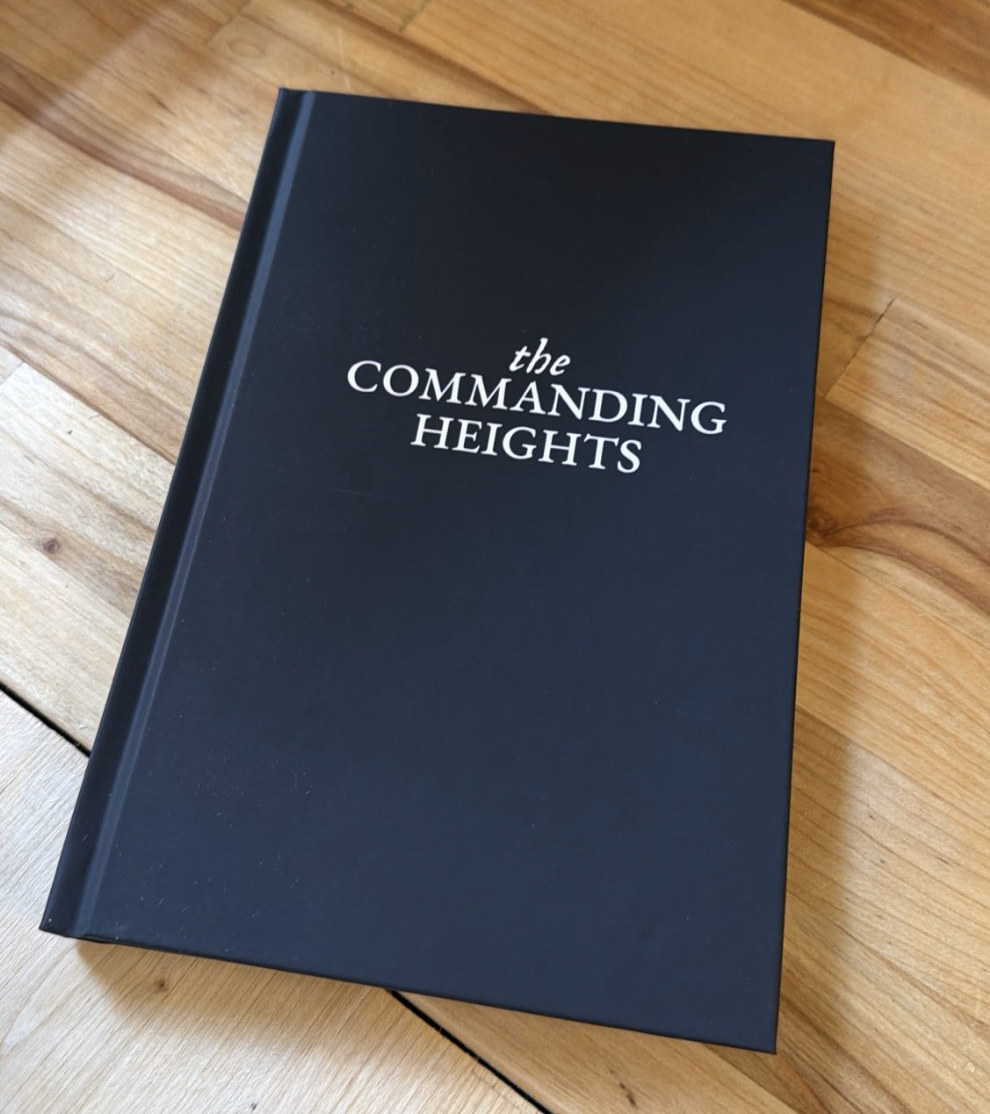
The Commanding Heights
The men who built locomotives didn't get the railroad fortunes. Will Manidis and Joe Roberts think the AI labs are in the same position, and that most of the money will go to whoever controls distribution and payments. In The Commanding Heights, they argue those payments will increasingly run on a stablecoin dollar.
"The rails most widely used will become inventories of human activity... And since the underlying digital infrastructure of these apps is American, and the oldest rail is the dollar, it means that increasing usage of these machines results in an increasing demand for dollars. The power to manufacture Dollar demand and intermediate its transactions is power itself."
Will and Joe published The Commanding Heights online and as an EPUB, available to read for free.
Handpicked RSS feed of the week

Range Widely
Range author David Epstein writes a newsletter for generalists. From Happiness is a 2x2 Matrix: "Psychologists like Laurie Santos have long been extolling the happiness-boosting impacts of conscious gratitude, and even of keeping gratitude journals. If I start a gratitude journal, my first entry will be a 2x2 matrix with a big box for the things I don't want and don't have."