Wisereads Vol. 163 — How to Live a Meaningful Life by Bill Burnett and Dave Evans, Ayman Nadeem on the death of "plan mode," and more
Last week, we shared a preview of Andrew Huberman's long-awaited guide to the pillars of health, Protocols. This week, we're sharing a preview of Bill Burnett and Dave Evans's guide to finding meaning in everyday life, How to Live a Meaningful Life.
Keep reading to add to your Reader account below 👇
Most highlighted Articles of the week
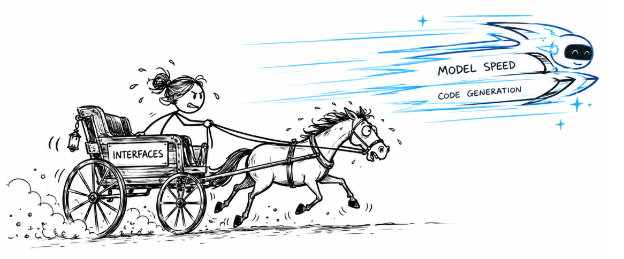
Plan mode is dead
Ayman Nadeem, founder of Nuanced, set out to help people keep a mental model of software they now build with AI faster than they can follow. "While the ease of generating code this way triggered a greater dopamine reward, it obfuscated the uncomfortable work of understanding why building something mattered, whether it mattered at all, and rigorously evaluating product, design, and infrastructure decisions."

Where’s the "intelligence explosion"?
In a guest post for Noahpinion, investor and author Ramez Naam explains why he doesn't expect AI's self-improvement to set off an intelligence explosion. "Given our best current data, the AI self-improvement loop would need to be roughly 5–10× stronger to sustain itself, let alone run away... I expect incredibly rapid AI progress by the standards of nearly any other technology. But the evidence we have doesn't suggest a sudden explosion to incomprehensible superintelligence anytime soon."
I don't want the details
Kong product leader Michael Heap argues that when something goes wrong, leaders should skip the explanation and ask what's changing. "If your postmortem is full of sentences like 'we should involve support earlier' and 'we need to communicate better', or my personal favourite, 'we'll be more careful next time', you have a collection of hopes dressed up as progress."
Most highlighted YouTube Video of the week
DHH has gone completely off the rails...
Ruby on Rails creator DHH told this year's Rails World conference that writing code by hand is over. Fireship, whose own career started with Rails, sorts out what's left for programmers. "Writing code or any skill closely tied to mechanical execution was never that valuable to begin with. What's always been far more important is the ability to define a problem, then design a system that can solve that problem securely and efficiently."
Most highlighted Twitter Thread of the week

Why You Waste Your Evenings (The Neuroscience of Post-Work Fatigue)
The sofa scroll after work is about glutamate, not laziness, according to neuroscientist Dominic Ng. "Willpower is not a personality trait. It is a prefrontal cortex function. The same region that's been working all day - and is now flooded with glutamate - is the exact region you're asking to override your impulse to stay on the sofa."
Most highlighted PDF of the week
Agentic AI and Code Reviews
With agents writing code faster than humans can review it, Randy Shoup and six other engineering leaders propose patterns for handing more of the review work to AI. "The organizations most likely to achieve high-confidence autonomous reviews are, therefore, often not those with the most advanced models, but those whose systems are easiest to reason about mechanically."
Hand-picked book of the week
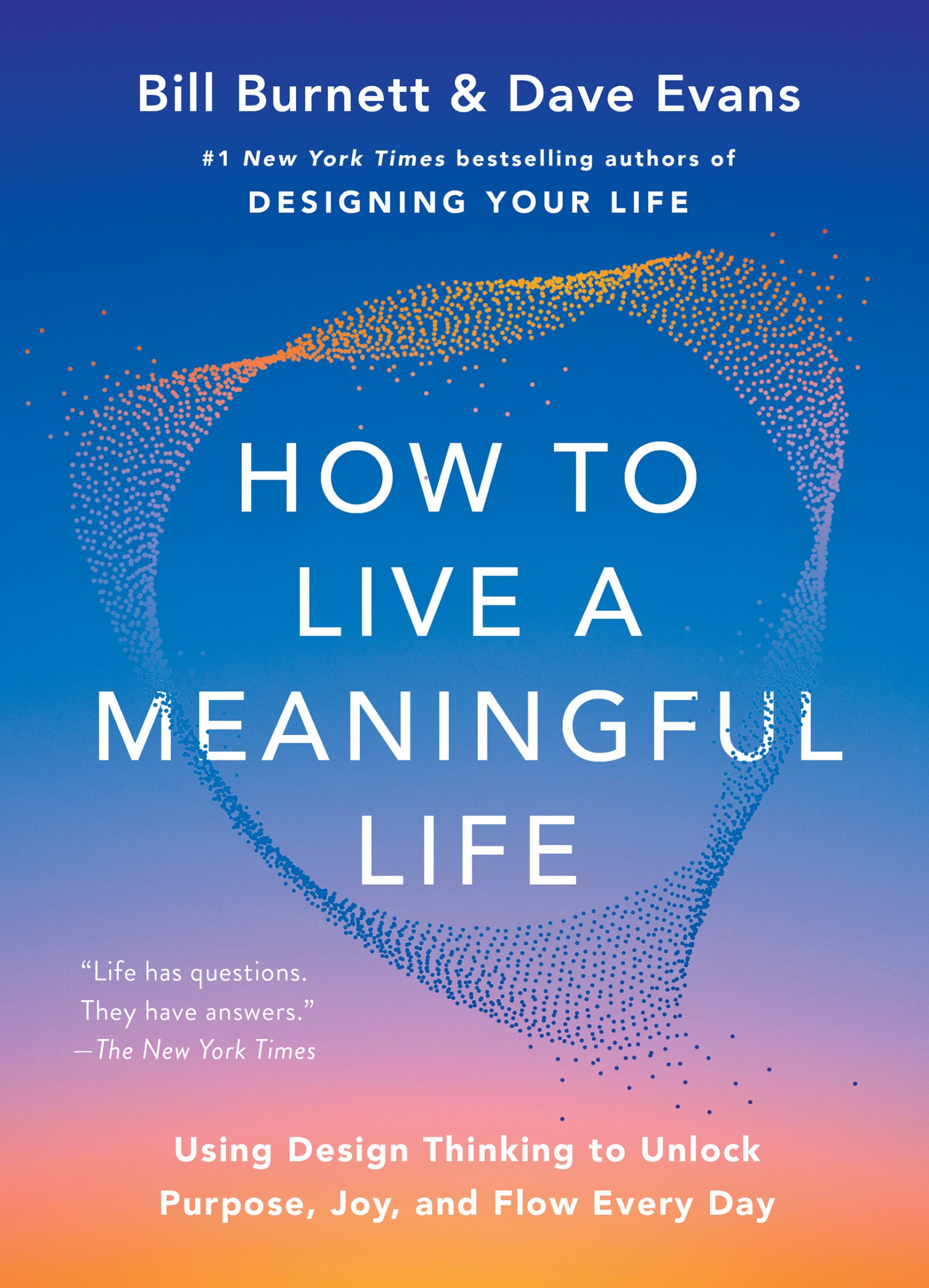
How to Live a Meaningful Life
Bill Burnett and Dave Evans, who lead Stanford's Life Design Lab, spent years helping readers redesign their careers with Designing Your Life. They noticed that many people who improved their lives still felt something was missing. In How to Live a Meaningful Life, the pair shifts the goal from fulfillment to meaning and argues that it can be found in the life a person already has, no career overhaul required.
"Designing your life so it feels more meaningful is the best alternative to despair and misery that we know. And besides, being a miserable individual never made the world less miserable as a whole."
If you enjoy the preview, you can grab the full book wherever you get your books.
Handpicked RSS feed of the week

The Quiet Life with Susan Cain
In The Quiet Life, Susan Cain, author of Quiet and Bittersweet, writes about quiet, depth, and beauty. From The Empty Nest, the World of Dreams: "Sometimes I can't get over the extent to which our dreams speak in deeply known and ancient symbols. And how, despite our 'dream-makers' speaking to us, night after night, in this powerful language, we rarely take the time to listen to them."