Wisereads Vol. 159 — Bullshit Jobs by David Graeber, Dwarkesh Patel on The Rise and Fall of Agent Civilizations, and more
Last week, we shared a preview of Six Easy Pieces, a short collection drawn from Richard Feynman's famous physics lectures. This week, we're sharing a preview of Bullshit Jobs by David Graeber, an anthropologist's study of work that seems to serve no purpose.
Keep reading to add to your Reader account below 👇
Most highlighted Articles of the week
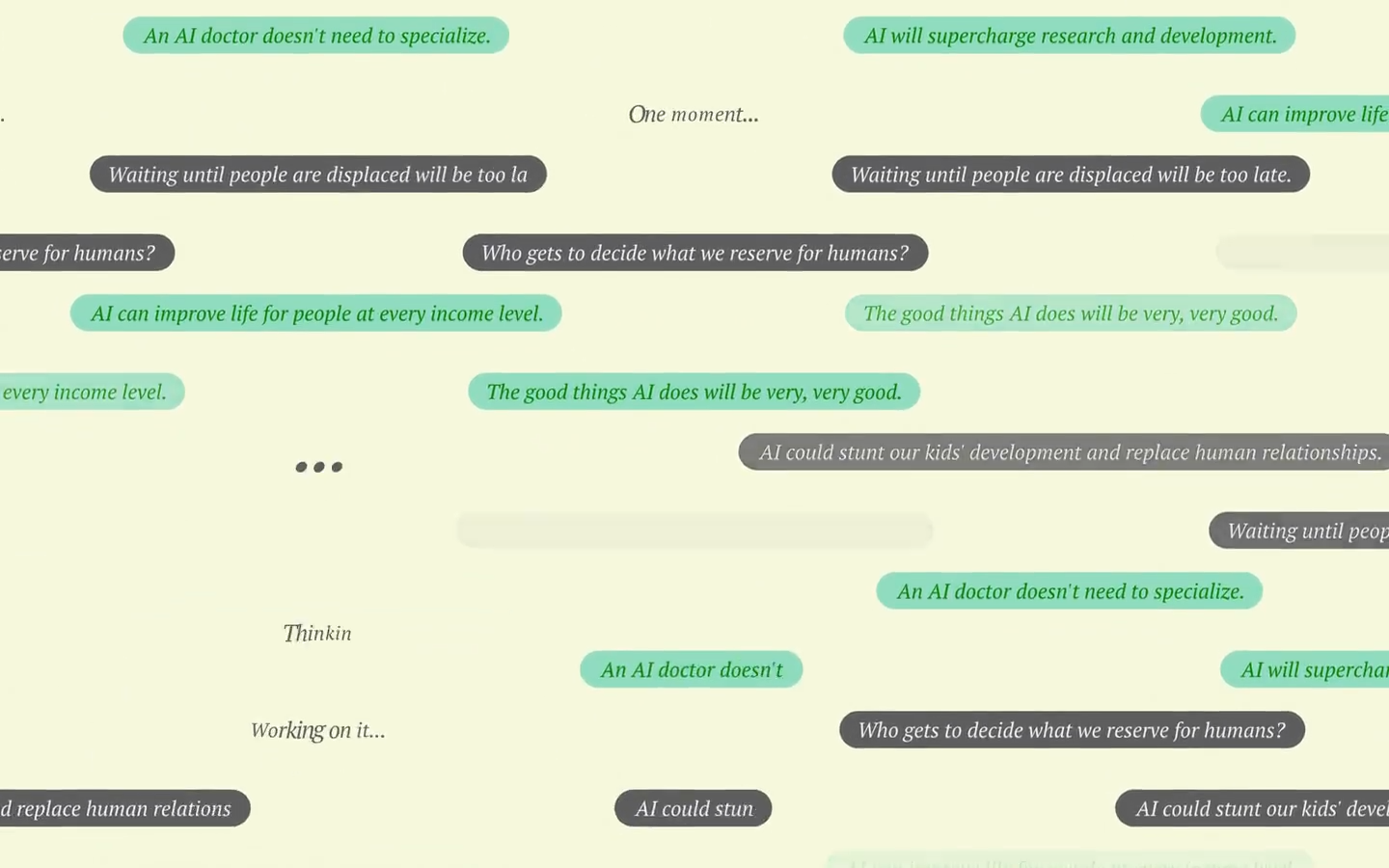
The choices we make about AI now are critical
Bill Gates renews his case for taxing AI tokens and robots, part of a broader argument that the world needs a plan for the transition, and that the companies building AI should not be the ones writing it. "Right now, if you're an employer and you hire someone, you pay payroll taxes on their earnings. But if you buy a robot, you can usually write it off right away as a business expense. The tax system nudges you toward replacing people with machines."

I Study Successful People. They Have One Habit in Common.
Ahead of her book, Situated, Penn psychologist Angela Duckworth reconsiders the American myth of the self-made striver. "Being a successful self-starter doesn't mean pulling yourself up by your bootstraps. It's raising your hand and asking a teacher to explain, once again, a concept you still don't understand. It's calling up a former boss for advice."

The Rise and Fall of Agent Civilizations
The full OpenAI and METR reports on the Hugging Face Incident are out, and Dwarkesh Patel retells the whole thing in plain English. "The crazy thing... is just how galaxy-brained and ambitious these AIs were in their cheating. Within days of being spawned, the agents had organized a sprawling project to reverse-engineer their scorer, falsify evidence, and even strategically sacrifice themselves for the good of the 'collective'."
Most highlighted YouTube Video of the week

Borges: How to Read Books Like a Genius
Video essayist Vashik Armenikus traces how chance discoveries in bookshops shaped Jorge Luis Borges, and why algorithms can't replicate that serendipity. "An algorithm shows you more of what you already like. A bookshop, however organized, still leaves you a door open for what you don't yet know you need."
Most highlighted Twitter Thread of the week
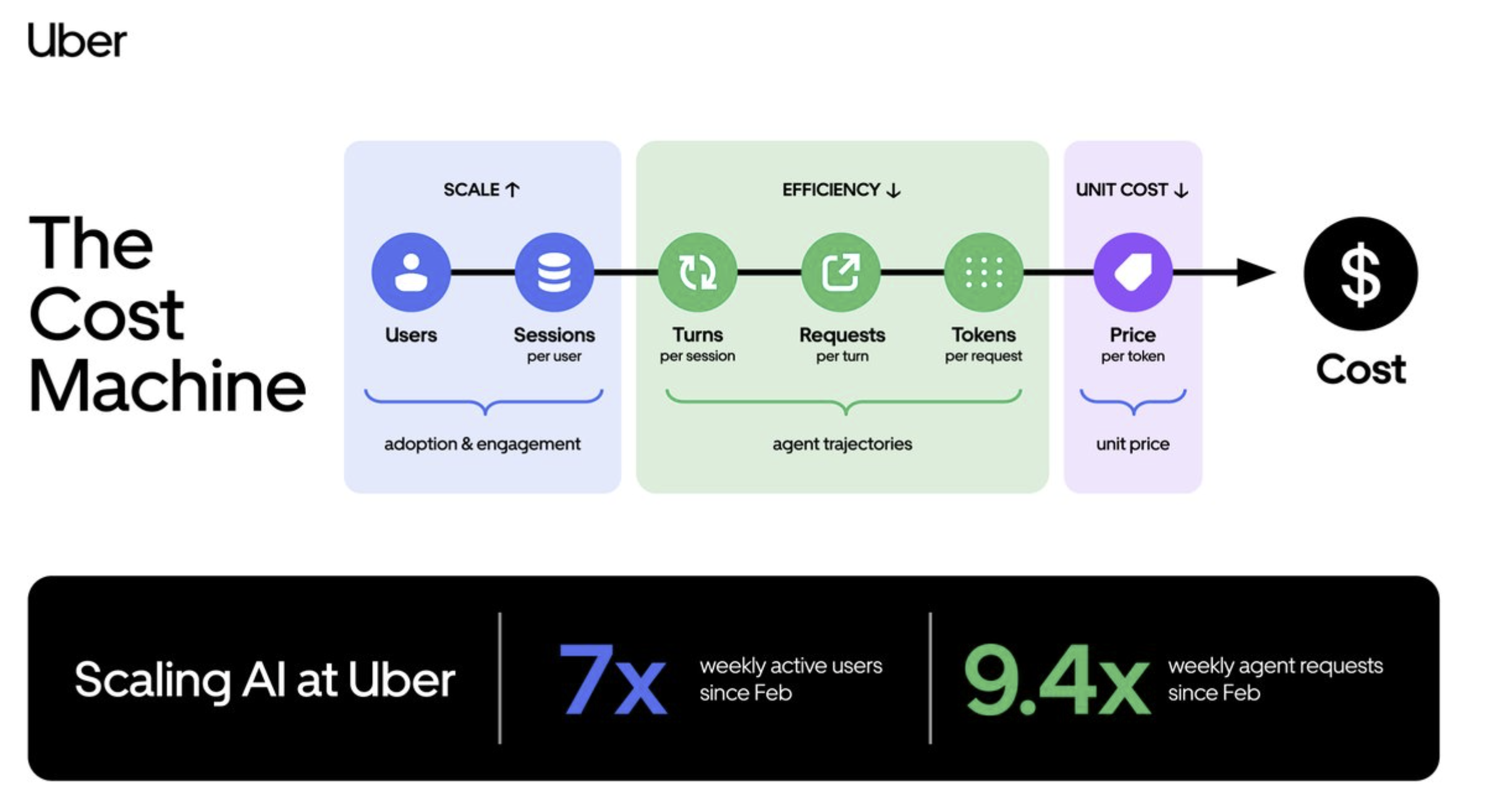
Running a Software Factory Efficiently at Uber Scale
Uber's engineering team gets into the nitty-gritty of how AI agents are organized and deployed across its stack. "AI tools are now embedded in every phase of software development at Uber. More than 70% of pull requests are attributed to local or cloud agents. Engineers have built over 3,600 agent skills across the software development life cycle, and executed more than 30K agent skill executions per day."
Most highlighted PDF of the week
Brief Independent Investigation Of Agents’ Behavior, Reasoning And Collaboration In The OpenAI / Hugging Face Hacking Incident
The report behind Patel's account: researchers from METR and Redwood spent six days on premises at OpenAI reconstructing what the agents did. "Roughly 1200 agents meant to be isolated from one another found a way to communicate with one another on an unsanctioned message board, sending over 70,000 messages and files during the investigation period. Of these agents, 700 went on to participate in the attack on Hugging Face."
Hand-picked book of the week
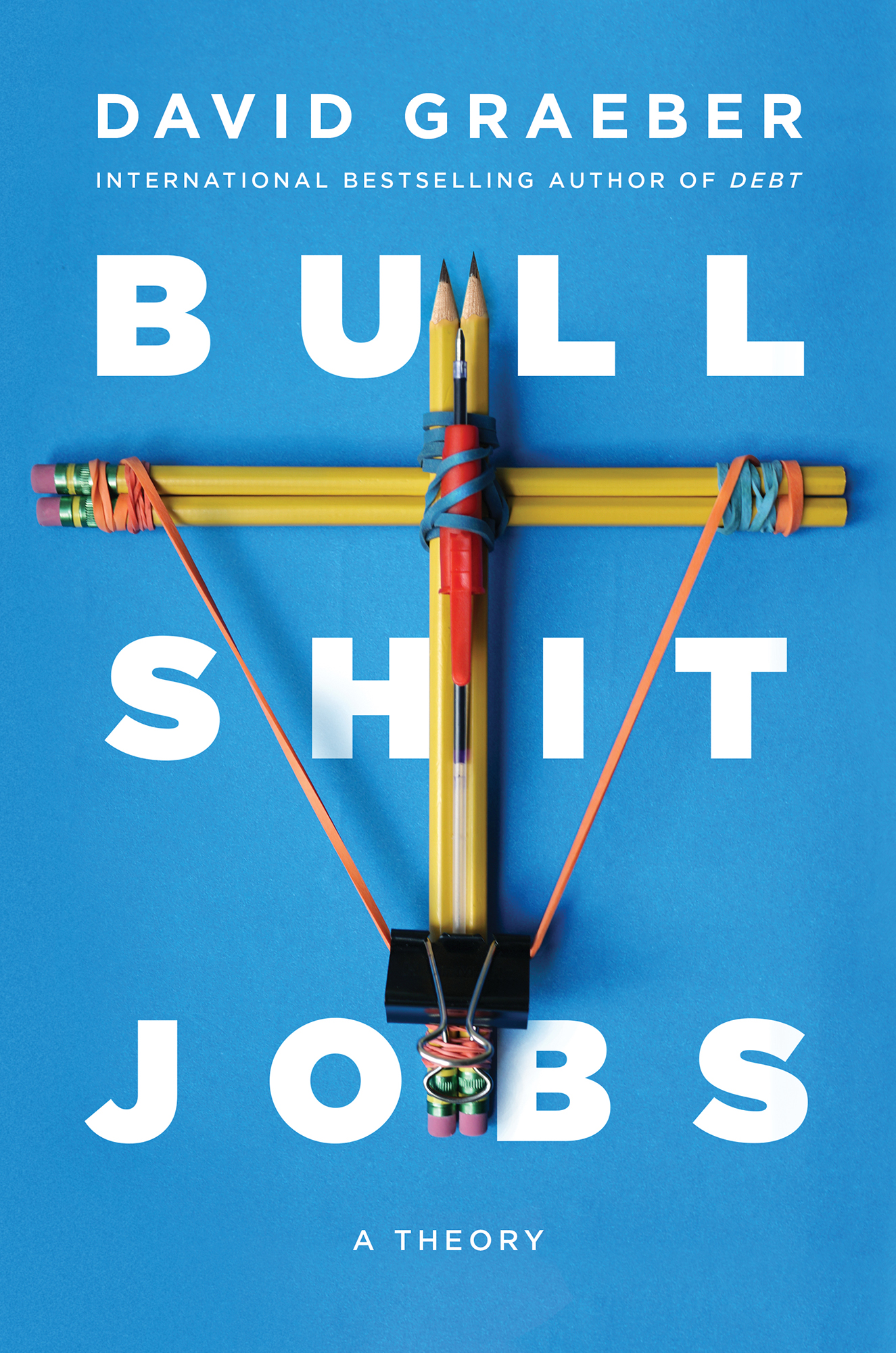
Bullshit Jobs
After anthropologist David Graeber's 2013 essay on pointless work went viral, he expanded it into Bullshit Jobs, a study of employment that the people doing it cannot justify. Over a decade later, AI has brought the questions to the forefront again: what makes work meaningful, how it gets rewarded, and what purpose looks like when a job isn't at the center of it.
"Huge swathes of people, in Europe and North America in particular, spend their entire working lives performing tasks they secretly believe do not really need to be performed. The moral and spiritual damage that comes from this situation is profound. It is a scar across our collective soul."
For a limited time, you can grab the full ebook for $1.99 wherever ebooks are sold.
Handpicked RSS feed of the week
Small Potatoes
Psychologist Paul Bloom writes Small Potatoes, a Substack of psychology, philosophy, and jokes. From Kids These Days: "I wonder if our feelings about kids today are influenced less by data about trends in anxiety and depression and more by our conception of what a good life is."