Wisereads Vol. 158 — Richard Feynman's Six Easy Pieces, Derek Sivers on building without predicting, and more
Last week, we shared Hope for Cynics by Jamil Zaki, which is still on sale if you missed it. This week, we're sharing a preview of Six Easy Pieces, a short collection drawn from Richard Feynman's famous physics lectures.
Keep reading to add to your Reader account below 👇
Most highlighted Articles of the week

How Universities Should Prepare Founders
Universities should stop teaching entrepreneurship, says Y Combinator cofounder Paul Graham, and turn out students with the expertise and the itch to build things. "Would-be founders should be doing exactly the opposite of what students do in business plan competitions. Instead of thinking about startups without building anything, they should be building things without thinking about whether they'll turn into startups."

The Golden Rule for Becoming a Better Writer
There's no shortage of advice for aspiring authors. T. R. Napper, who writes cyberpunk standalones, says most of it is optional. Except reading. "Go look at your phone, and tell me what your average screen time is per day. Two hours? Five? Seven? If so – shut up: you've time to read."
Building without predicting
Writer Derek Sivers is building his off-grid home piece by piece, adding each part only after he and his son find they need it. The principle comes from urban planning. "They built a new park and argued about where to put the walkways. Around the edges? Through the middle? The winning answer: Open the park with no walkways. After a year, look where people have been walking. Find paths where the grass is worn away. Pave there. Don't predict."
Most highlighted YouTube Video of the week
It took me 37 years to realize what I'll tell you in 18 minutes.
On his birthday, founder Alex Hormozi takes stock of the futures he gave up to get the one he has. "…until you exercise them, they are valueless. At some point, you have to pull the trigger. You have to make the call. You have to make the decision. You have to cut off one future."
Most highlighted Twitter Thread of the week
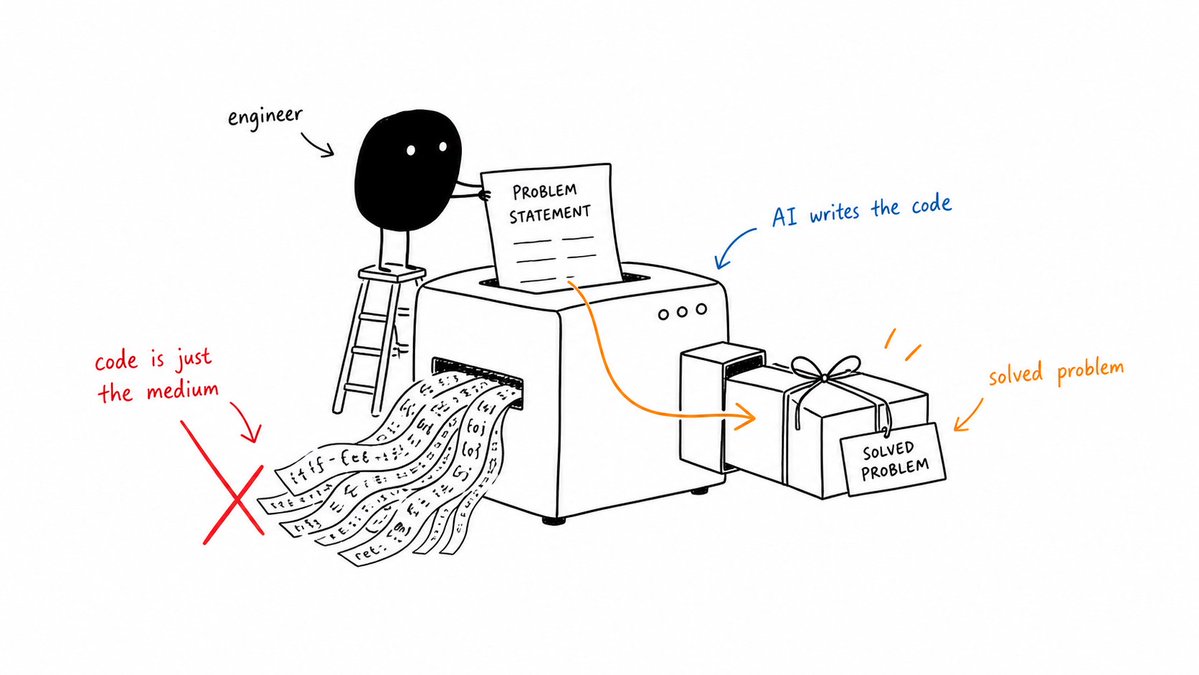
Building software factories (with no slop)
Duet cofounder David Zhang argues AI slop is a review problem, not a model problem, and offers a four-step loop instead. First: "Map the fog: interview the idea quadrant by quadrant until you know what you're building." Next: "Codify: write the spec. Mostly transcription and adversarial planning, since the decisions got made upstream where they were cheap." Then: "Build: put the harness in loop mode and let the spec drive. Reviews fire per slice; the plan re-slices itself when the build proves it stale." Finally: "Review the choices: read the ledger, least-confident first, push back, let it re-audit."
Most highlighted PDF of the week
Mathematics in the age of AI
Fields Medalist Terence Tao considers what mathematics loses when AI polishes every proof to a shine. "In a human-written proof, the parts of the argument that the author found difficult typically retain some natural friction: an apologetic remark, an unusually careful lemma, a change of notation, a paragraph that has clearly been rewritten several times. This friction is informative."
Hand-picked book of the week
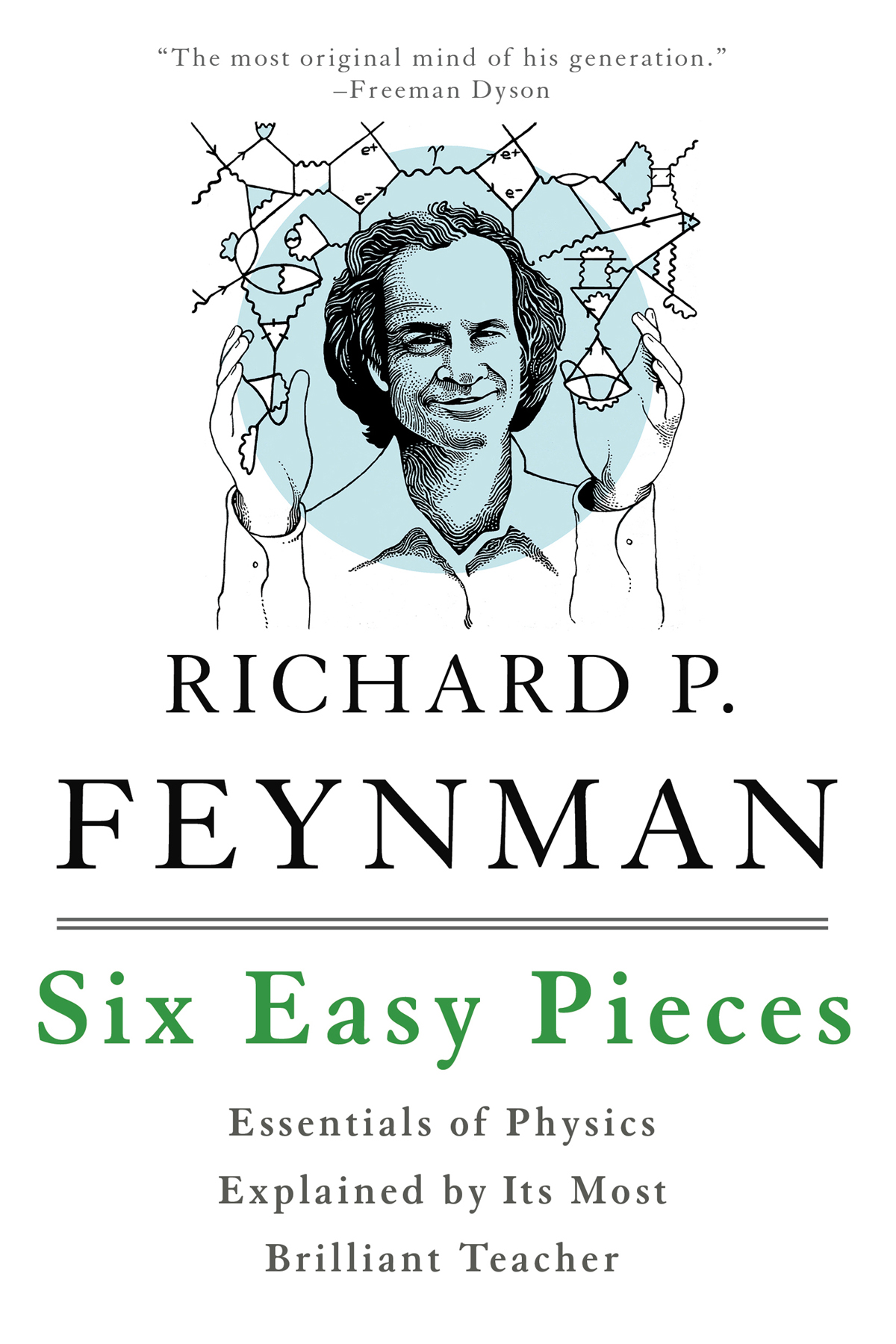
Six Easy Pieces: Essentials of Physics Explained by Its Most Brilliant Teacher
When Caltech handed Richard Feynman its introductory physics course in 1961, he redesigned it from the ground up. Six Easy Pieces gathers the six least technical of those talks, on atoms, energy, gravitation, and quantum behavior. Feynman kept guest lecturing for that course long after, and by the editors' account his appearances had to be kept secret so registered students could still get a seat. At one of them, just after the 1987 supernova was discovered, he warmed up the room like this:
"There are 10¹¹ stars in the galaxy. That used to be a huge number. But it’s only a hundred billion. It’s less than the national deficit! We used to call them astronomical numbers. Now we should call them economical numbers."
Through August 31, the full ebook is on sale for $1.99 wherever ebooks are sold in the U.S. and Canada.
Handpicked RSS feed of the week
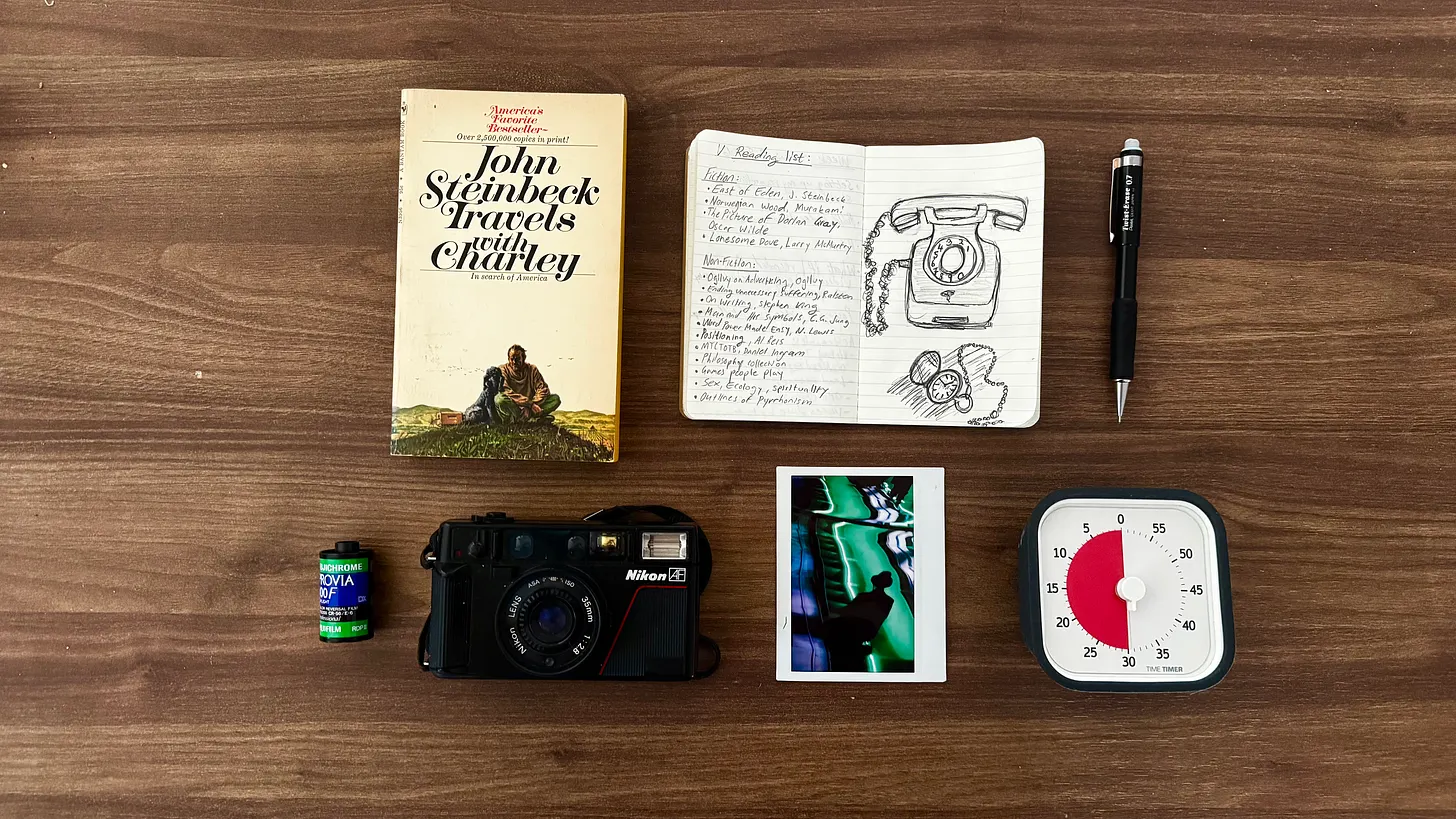
Radical Clarity
Sam William writes Radical Clarity, a newsletter on focus, philosophy, and self-education in a distracted age. From A pocket notebook will save your mind: "A pocket notebook is basically the anti-smartphone. No notifications distracting you. No algorithm designed to hold your attention hostage. No bright colors flashing at your eyes. Just a blank space for pure thinking and creating."