Wisereads Vol. 157 — Hope for Cynics by Jamil Zaki, Jordan Dworkin on Ordinary Abundance, and more
Last week, we shared Claire Stapleton's memoir of her years at Google, Don't Be Evil, tracing her path from in-house bard to walkout organizer. This week's pick is on sale: Hope for Cynics by Jamil Zaki.
Keep reading to add to your Reader account below 👇
Most highlighted Articles of the week

A Swarm of Blood Robots
The strangest thing Craig Mod has done with an LLM is genealogical. A dozen or so agents spent fifteen hours building out his family tree, and Claude later ran down the newspaper article behind the middle name on his birth certificate. "The middle name on my original birth certificate comes from a random guy who was murdered at a house party outside of Chicago. Or, more precisely: a car crash outside the party that led to a stabbing. My birth mother claimed on the adoption papers that this person was my birth father. That is, until I met my birth mother and she explained that she had just plucked a dead seventeen-year-old stranger from a newspaper clipping and said: That's the dad... Now I've printed it out and it hangs on my wall: a dead stranger’s final moments, a totem of the oddness of life."
Humanists Have Done Nothing Wrong
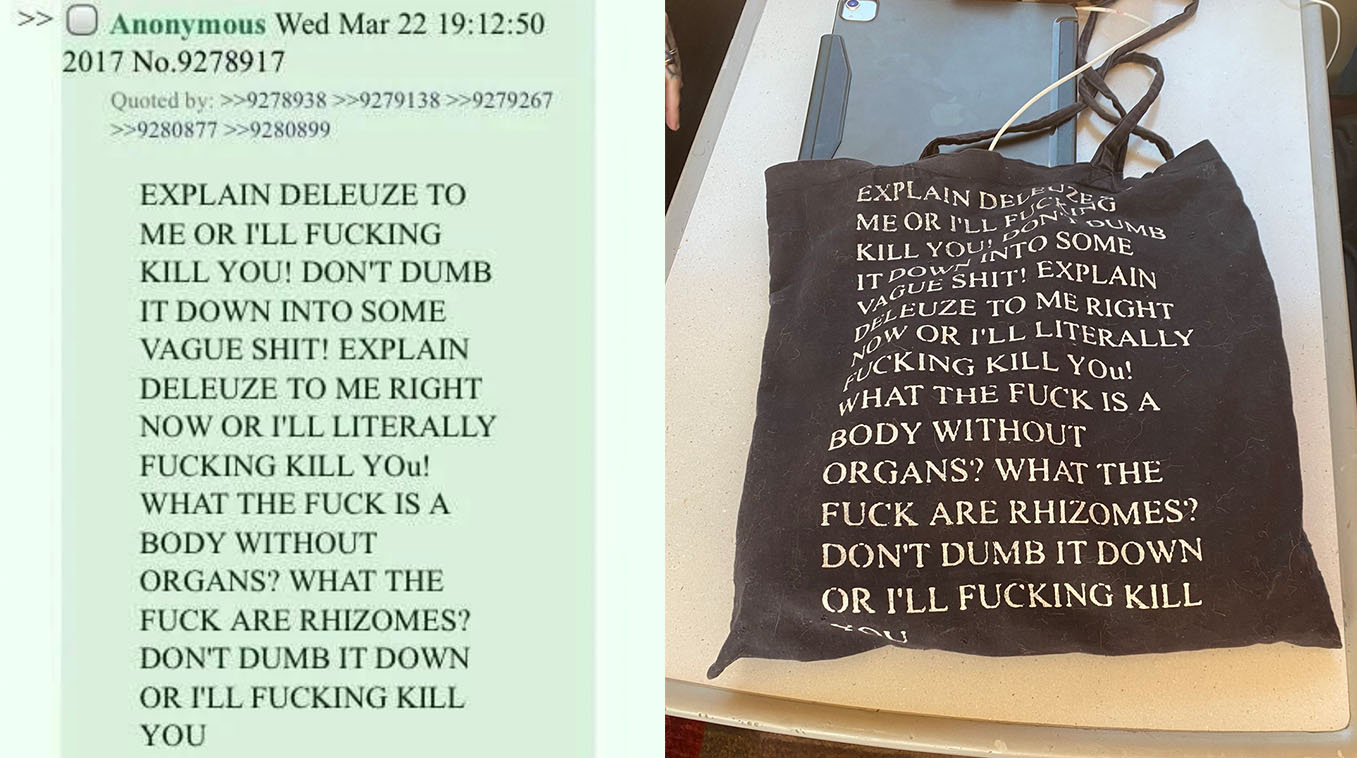
The case against the humanities usually opens with a sentence nobody can parse. David Hollingshead, who taught in Princeton's writing program, thinks the critics are quoting in bad faith, and declines to apologize for scholarship being difficult. "Just as the end of reading coincides with a massive arms race for text, the end of universities coincides with a voracious cultural desire for message board–style soundbites of streamlined information. The internet is full of hapless would-be Deleuzians who want things explained to them right now."

Ordinary Abundance
Jordan Dworkin takes inventory of an ordinary evening at home, and makes the case for noticing what it took to make it ordinary. "All the items in this room were once out of reach; some not yet invented, others too rare or costly for the vast majority of people… It serves us, and honors them, to recapture whenever possible the old sense of awe at these wonders that have long since become commonplace."
Most highlighted YouTube Video of the week
How to break the spell of powerful emotions | Lisa Damour: Full Interview
Clinical psychologist Lisa Damour defines mental health as having feelings that fit the circumstances and a way to manage them, which means it sometimes involves feeling bad. The managing part, she says, starts with vocabulary: "When we come up with a label for a feeling, we feel that feeling less intensely. If I'm sad and I tell you I feel sad, I actually feel less sad. If I'm anxious and I say I'm feeling anxious, my anxiety goes down."
Most highlighted Twitter Thread of the week

The Principles of Better Decisions.
Hades maps seven mental models for better decisions, including the one that rewards patience above all. "Compounding works whether you’re building good habits or bad ones… Nobody becomes exceptional because of one extraordinary day. They become exceptional because ordinary days were repeated for years."
Most highlighted PDF of the week
Terra Incognita: The Economics Of A Shrinking World
Terra Incognita, a new paper from Penn economist Jesús Fernández-Villaverde and Northwestern graduate student Patrick Norrick, models fertility across 236 countries since 1950. "As of 2026, humanity is likely to be below replacement level: we are having fewer births than we need to keep population constant in the long run. As far as we can tell, this has never happened before in our history as a species, not even during wars or pandemics."
Hand-picked book of the week
Hope for Cynics: The Surprising Science of Human Goodness
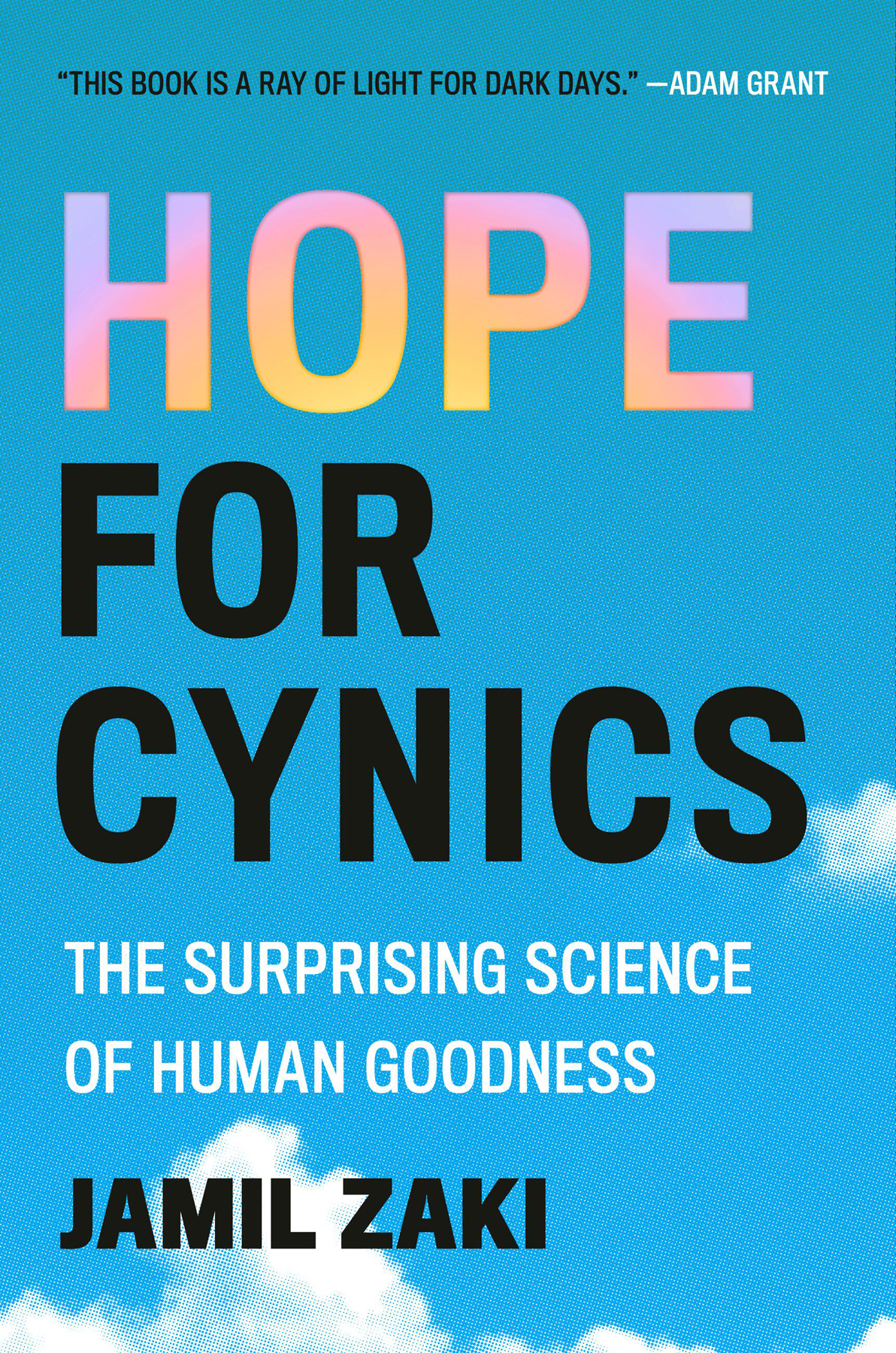
Jamil Zaki directs Stanford's Social Neuroscience Lab and has spent two decades studying empathy while privately being a cynic himself. Hope for Cynics works through that contradiction in two ways: with research showing that people consistently underestimate each other's generosity, and with the example of his late friend Emile Bruneau, a conflict-resolution researcher whose "hopeful skepticism" Zaki envied.
"In the lab, suspicion costs people money. In life, it deprives us of a much more vital resource: each other. The novelist Kurt Vonnegut wrote that people are 'chemically engineered' to live in community, 'just as fish are chemically engineered to live in clean water.' Cynics, not wanting to lose, deny their social needs. They seek support from friends less often and negotiate as if the other party is trying to cheat. Like a trout washed ashore, they find themselves starving for connection."
If you enjoy the preview, you can grab the full ebook for $1.99 in the US and Canada through the end of August.
Handpicked RSS feed of the week

Care & Craft
Care & Craft is Vincent Shaw's newsletter on imagination, childhood reading, and what nostalgia is good for, running from William Morris to Hogwarts. From Why Adults Queue for Butterbeer: "A book requires something of you before it gives anything back. You have to decode the words, construct the world, populate it with faces and voices that the author has only sketched. The effort is the point."