Wisereads Vol. 154 — Noticing by Richard Louv, Emily Wilson's review of The Odyssey, and more
Last week, we shared a preview of Cate Hall's debut, written with her husband, Sasha Chapin: You Can Just Do Things: How High-Agency People Get What They Want Out of Life. This week, we're sharing a preview of Richard Louv's latest release: Noticing: Intimate Encounters With the Natural World.
Keep reading to add to your Reader account below 👇
Most highlighted Articles of the week
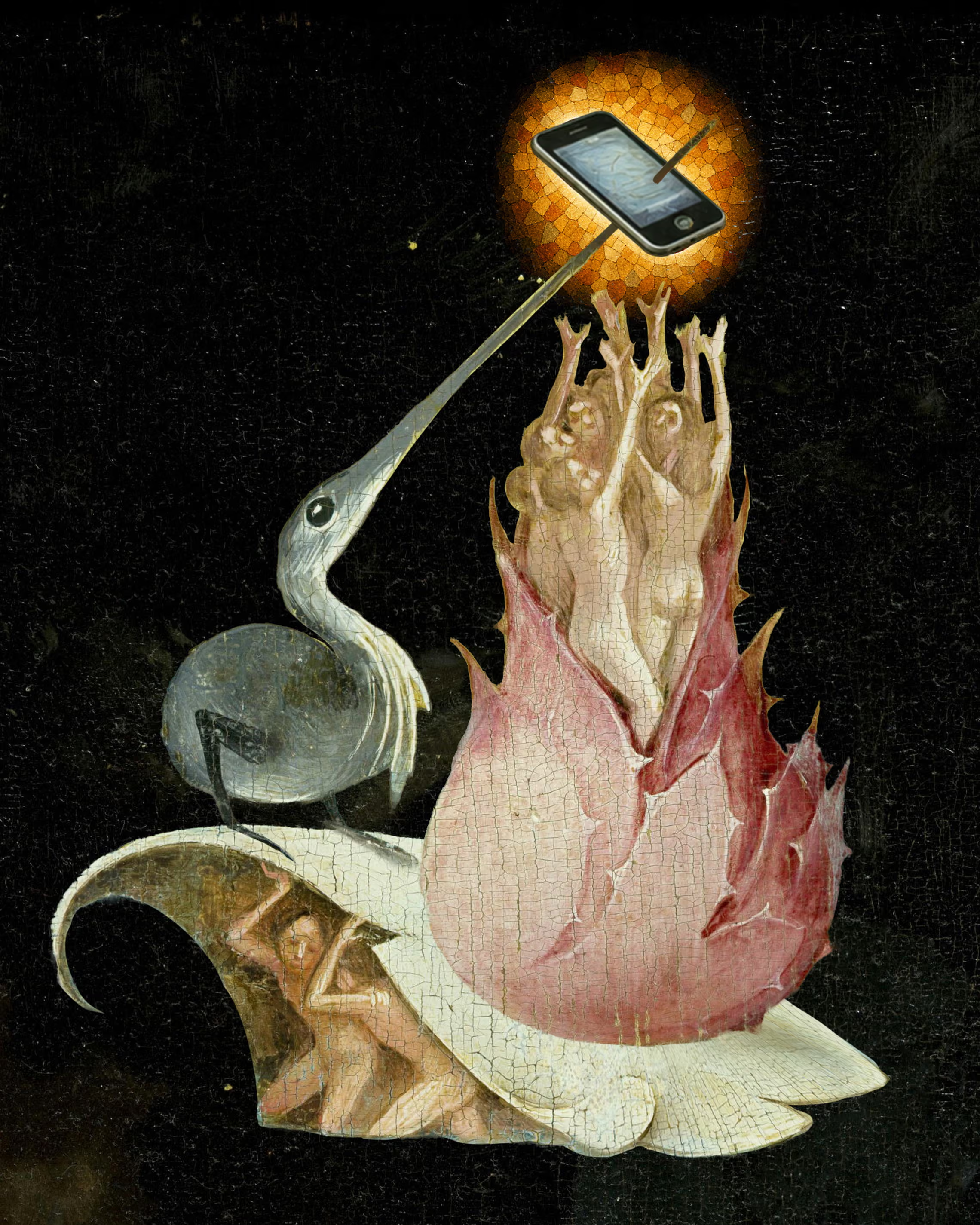
Why does everything feel so joyless? Welcome to the age of decadence without pleasure
Tracing decadence as a marker of cultural decline, Oxford literature professor Michèle Mendelssohn and Harvard's Charlie Tyson diagnose why modern abundance feels so joyless. "Why strive for pleasure? Why long for it? Because – contra the Bryan Johnsons of the world – we will die. 'A counted number of pulses only,' Pater writes, 'is given to us of a variegated, dramatic life.'"

The new rules of context engineering for Claude 5 generation models
Less is more, according to Anthropic’s Thariq Shihipar, who explains how context engineering best practices have shifted with the newest Claude 5 models. "The number one rule for tool usage was to give Claude examples on how to use them. With our newest models, we’ve found that giving examples actually constrains them to a certain exploration space."
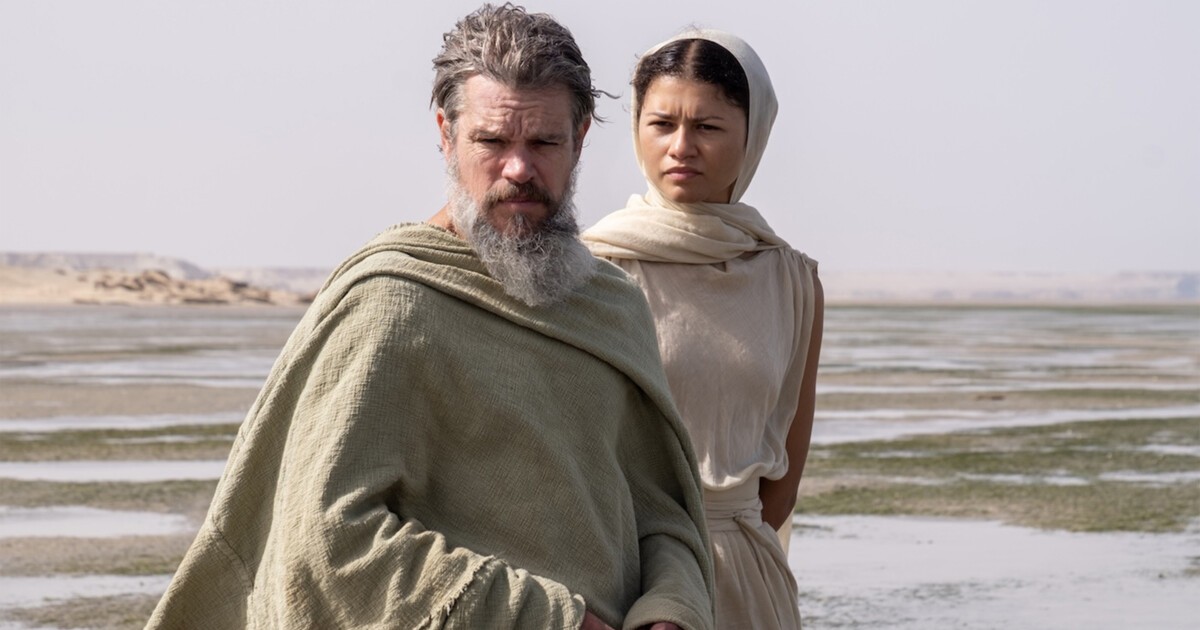
An Uncomplicated Man
Christopher Nolan's Odyssey drew on Emily Wilson's translation and has sent it flying off the shelves. Wilson says she'd be ashamed to have written a line of the script, but she's grateful it's sending people back to Homer. "Perhaps more surprising from the director of Oppenheimer, Damon’s lummoxy Odysseus also seems to lack technological intelligence (polymēchania). He does not build a marriage bed out of a tree growing in his house (it would be a waste of effort, since he so rarely seems to sleep or have sex)."
Most highlighted YouTube Video of the week
Improve Your Speaking
Ten days, a few minutes at the camera each day. That's the challenge Conor Neill sets for the MBA students in his leadership communications course. "What is it that leads to excellence?... 10,000 hours of practice. No matter where you start from, no matter how talented a kid was in school, it's the kid that practices 8 hours a day."
Most highlighted Twitter Thread of the week

How to remember everything you read (stop trying)
Dan Koe takes issue with reading as knowledge hoarding: the notes, the bookmarks, the second brain nobody revisits. His fix is to let projects decide what's worth learning: "Don't start learning. The life you want lies at the end of a series of meaningful projects... when you want to learn something new, don’t start learning, take the first step toward the goal instead."
Most highlighted PDF of the week
LLMs Can't Jump
In a personal position paper, Google DeepMind researcher Tom Zahavy argues that scientific discovery takes a cognitive leap LLMs can't make. "How do we fundamentally discover new things? In a letter to Maurice Solovine, Albert Einstein conceptualized discovery as a cyclical process involving an intuitive 'jump' from sensory experience to axioms, followed by logical deduction. While Generative AI has mastered Induction (statistical pattern matching) and is rapidly conquering Deduction (formal proof), we argue it lacks the mechanism for Abduction—the generation of novel explanatory hypotheses."
Hand-picked book of the week
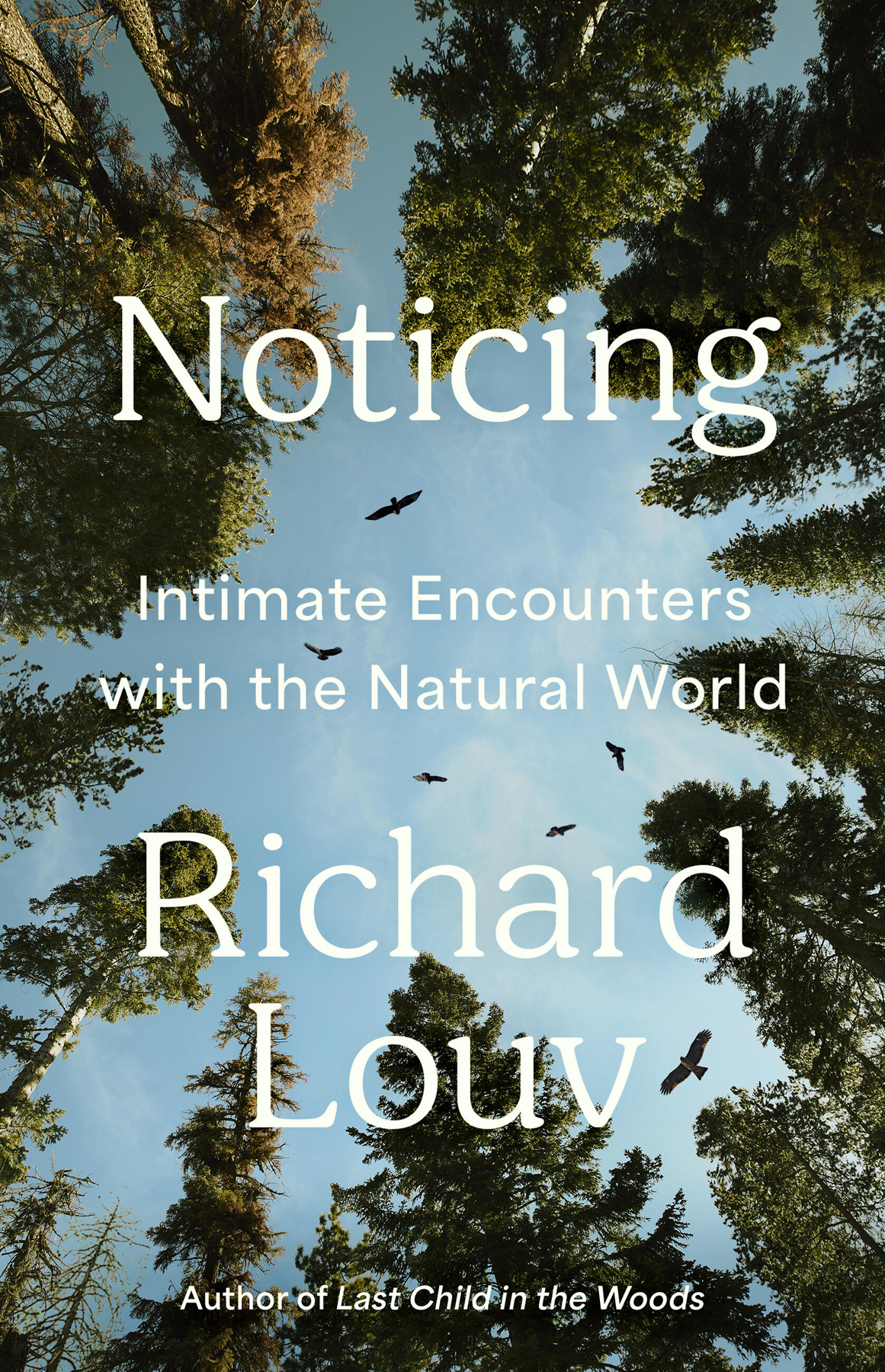
Noticing
Richard Louv coined "nature-deficit disorder" in Last Child in the Woods, then spent two decades championing children's need for the outdoors. Noticing extends the argument to adults, himself included: essays written from his own backyard in the most biodiverse county in the country, built on the premise that humans have thirty or more senses rather than five. He calls the practice bioenchantment, though what he describes is less a method than a form of intimacy.
"In the clearing of my woods, a rivulet of water flowed through the marsh. When the water reached the trees, it grew into a creek. I would venture into the trees to sit on the creek bank and watch the minnows, frogs, and water spiders do their dipping and sliding dance.
Thinking of that place is like remembering the back of my mother's gentle hand."
If you enjoy the preview of Louv's new release, you can grab the full copy of Noticing wherever you buy your books.
Handpicked RSS feed of the week
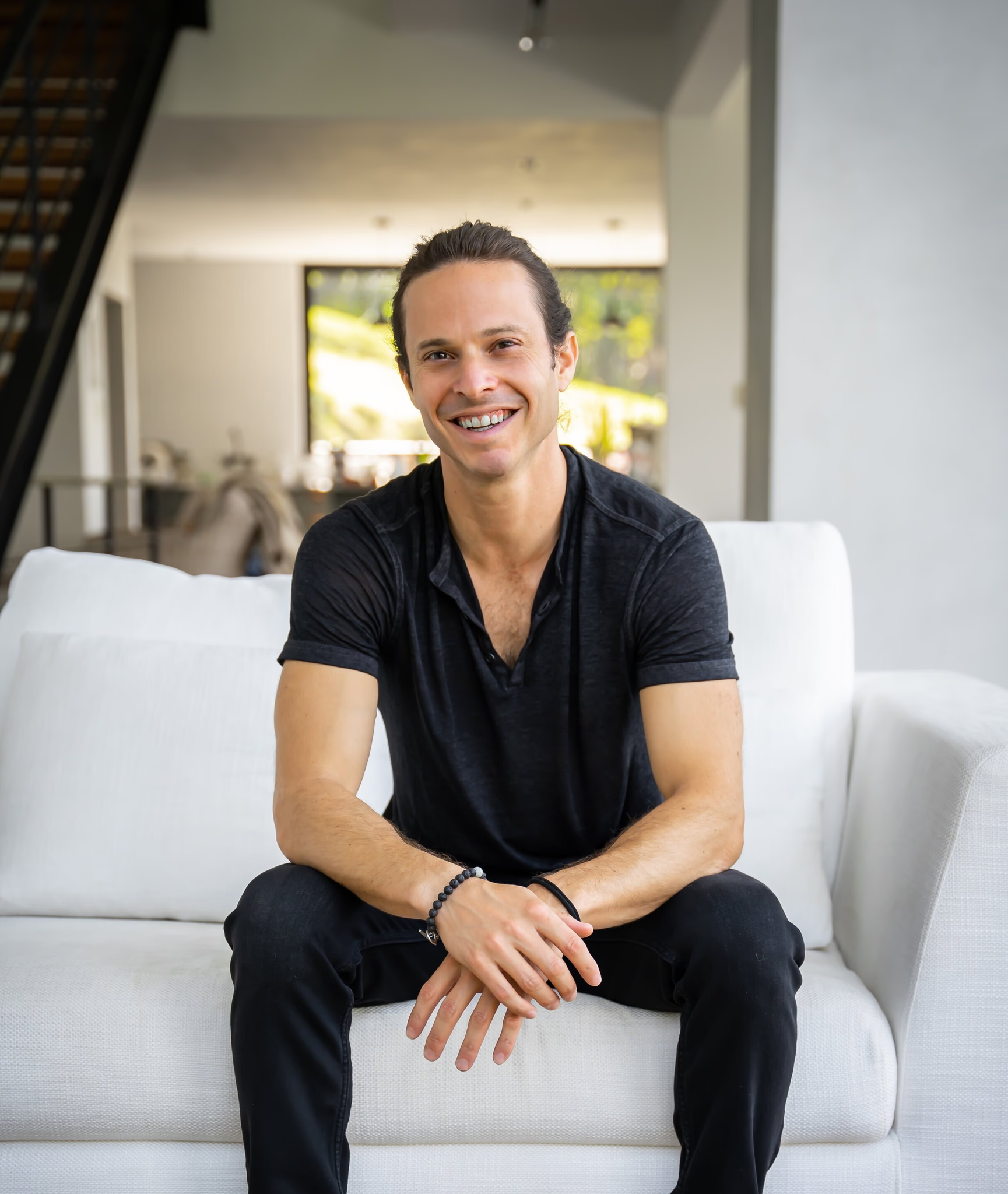
Deep Fix
Alex Olshonsky, an executive coach and somatic therapist, writes essays on culture, psychology, addiction, and spiritual inquiry, sometimes drawing on his own "gonzo misadventures." From You’re probably addicted to thinking: "The object shifts from opiates to Instagram to productivity, but the move is always the same: escape the feeling and reach for the next thing that promises relief."