Wisereads Vol. 150 — Eat Your Ice Cream by Ezekiel J. Emanuel, 10 Productivity Tips From the King of Cashmere, and more
Last week, we shared a preview of Chris Ballard's recent release, The Plunge: Maverick Swimmers, an Unlikely Quest, and the Transformative Power of Cold Water. This week, we're sharing a preview of Dr. Ezekiel J. Emanuel's book, Eat Your Ice Cream: Six Simple Rules for a Long and Healthy Life.
Keep reading to add to your Reader account below 👇
Most highlighted Articles of the week

10 Productivity Tips From the King of Cashmere, Brunello Cucinelli
Since the death of beloved tech writer Om Malik in late June, readers have been returning to the Gigaom founder's decades of writing. Among the pieces making the rounds: his interview with Brunello Cucinelli, the billionaire cashmere magnate who forbids work past 5:30pm. "In the winter on a Sunday afternoon, I can spend six hours in front of the fireplace, just looking at the flames and thinking. In the evening, I'm drunk with beautiful thoughts."
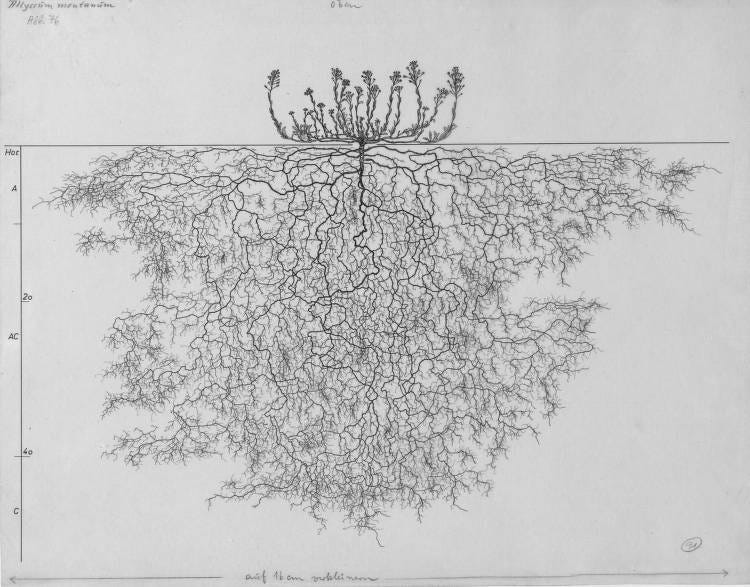
How to think in writing
Essayist Henrik Karlsson makes the case for pinning slippery thoughts to the page, where they become rigid enough to reveal their flaws. "Seeing your ideas crumble can be a frustrating experience, but it is the point if you are writing to think. You want it to break. It is in the cracks the light shines in."

There Are Three Types of AI Users
The dividing line in the AI age will be our relationship to mental effort, argues New York Times columnist David Brooks. He sorts people into three camps and offers practical ways to join those who wrestle with AI to sharpen their thinking rather than offload it. "When intelligence is plentiful, volition is valuable. The people who are going to make a difference are not the ones who seek relaxation and passively use AI to work less. They are the ones who will seek improvement and actively wrestle with AI to develop their own mental capabilities and accomplish more."
Most highlighted YouTube Video of the week
Is It Possible to Be a Digital Minimalist in 2026?
Georgetown professor Cal Newport revisits Digital Minimalism for the AI era, fielding his community’s questions on how its principles apply to agents and chatbots. "Long conversations with a machine is really a form of emotional fraud. If you're having a conversational interaction with a chatbot your brain is simulating another mind on the other side that doesn't actually exist and that's doing weird things to you."
Most highlighted Twitter Thread of the week

Defining Taste
In an age when production is cheap and instant, taste remains the hardest advantage to build, argues HashiCorp founder Mitchell Hashimoto. "The funny thing about taste is that it’s hard to create, but its result is very easy to copy. Once someone makes a tasteful decision, others can imitate it almost immediately."
Most highlighted PDF of the week
The State Of The AI Economy
Analyst Azeem Azhar and the Exponential View team map the customer demand behind the AI boom. "Without understanding genuine demand, it is impossible to judge the health of the AI economy that underpins $22.7 trillion of stock market valuation and has driven US GDP growth in the past six quarters."
Hand-picked book of the week
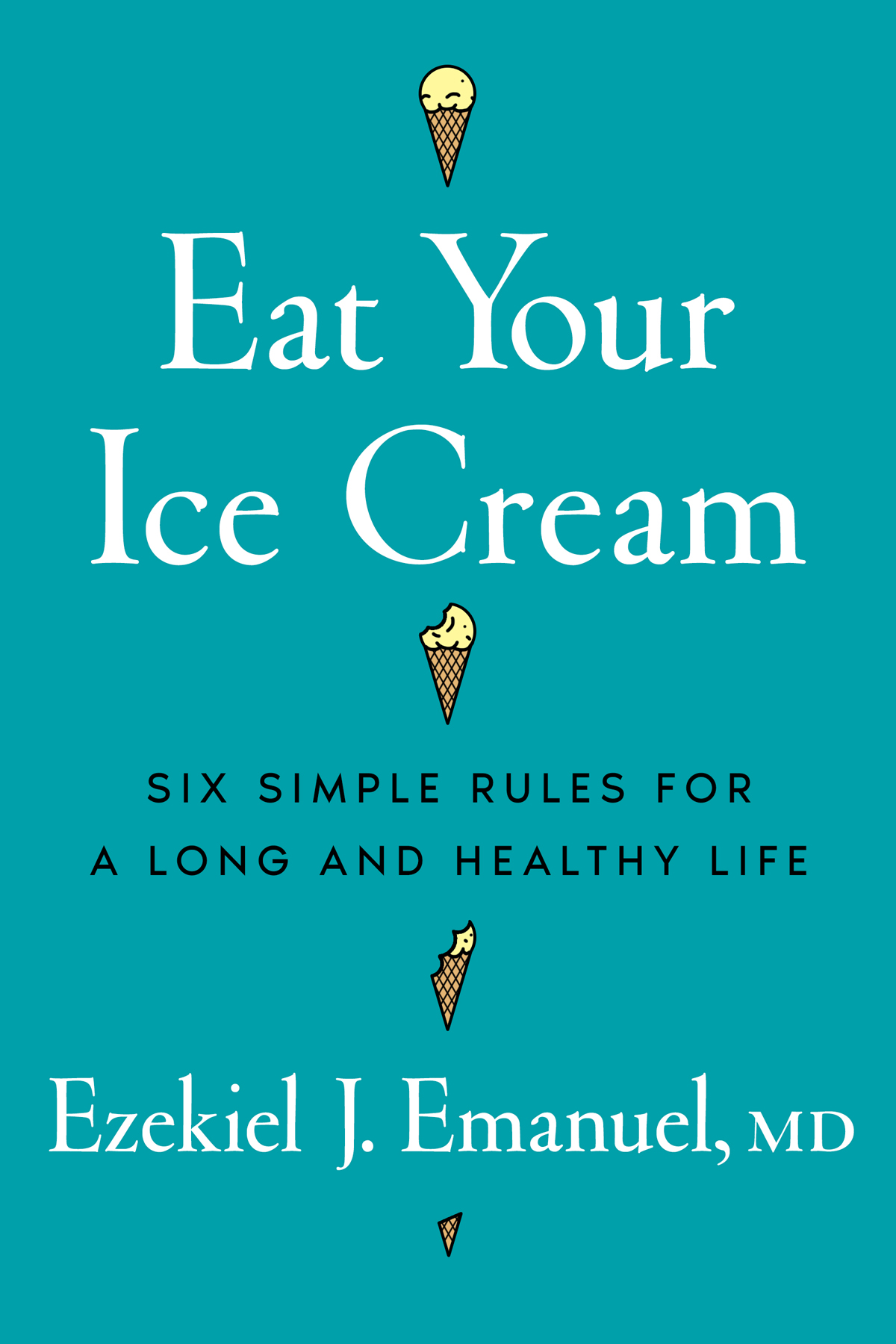
Eat Your Ice Cream
"Don’t be a shmuck." This and five other practical guidelines from oncologist and bioethicist Ezekiel Emanuel come together in Eat Your Ice Cream, a book that cuts through wellness chatter to reveal the biggest levers for health and longevity. The good news: you can eat your ice cream and have your wellness too.
"Life is not a competition where the gold medal goes to the oldest! Our goal should not be to 'outlive' as many people as possible. Instead, the goal should be to live a healthy and fulfilling life. Wellness is just a means to that end, not the end in itself."
We're delighted to share a preview from Eat Your Ice Cream with Wisereads readers. If Dr. Emanuel's refreshing, evidence-based take on wellness resonates with you, you can grab a copy wherever you get your books.
Handpicked RSS feed of the week

Courage to Create
Strategy consultant Magdalena Ponurska writes Courage to Create, offering evidence-based tools for problem-solving and personal change. From The 20-Minute Writing Exercise That Neuroscientists Say Can Solve Your Hardest Problems: "When you write about yourself solving a problem in vivid, present-tense detail, you’re not just daydreaming: you’re activating your prefrontal cortex and rewiring your reticular activating system, the part of your brain that determines what you notice in the world around you. Studies show this type of structured visualization can improve problem-solving performance by up to 44% compared to traditional brainstorming."