Wisereads Vol. 142 — The Secret to Success Is 'Monotasking' by David Epstein, Jasmine Sun on Silicon Valley's fear, and more
Last week, we shared a preview of Jonah Berger's Invisible Influence: The Hidden Forces that Shape Behavior. This week, we're sharing a copy of Little Women by Louisa May Alcott.
Keep reading to add to your Reader account below 👇
Most highlighted Articles of the week
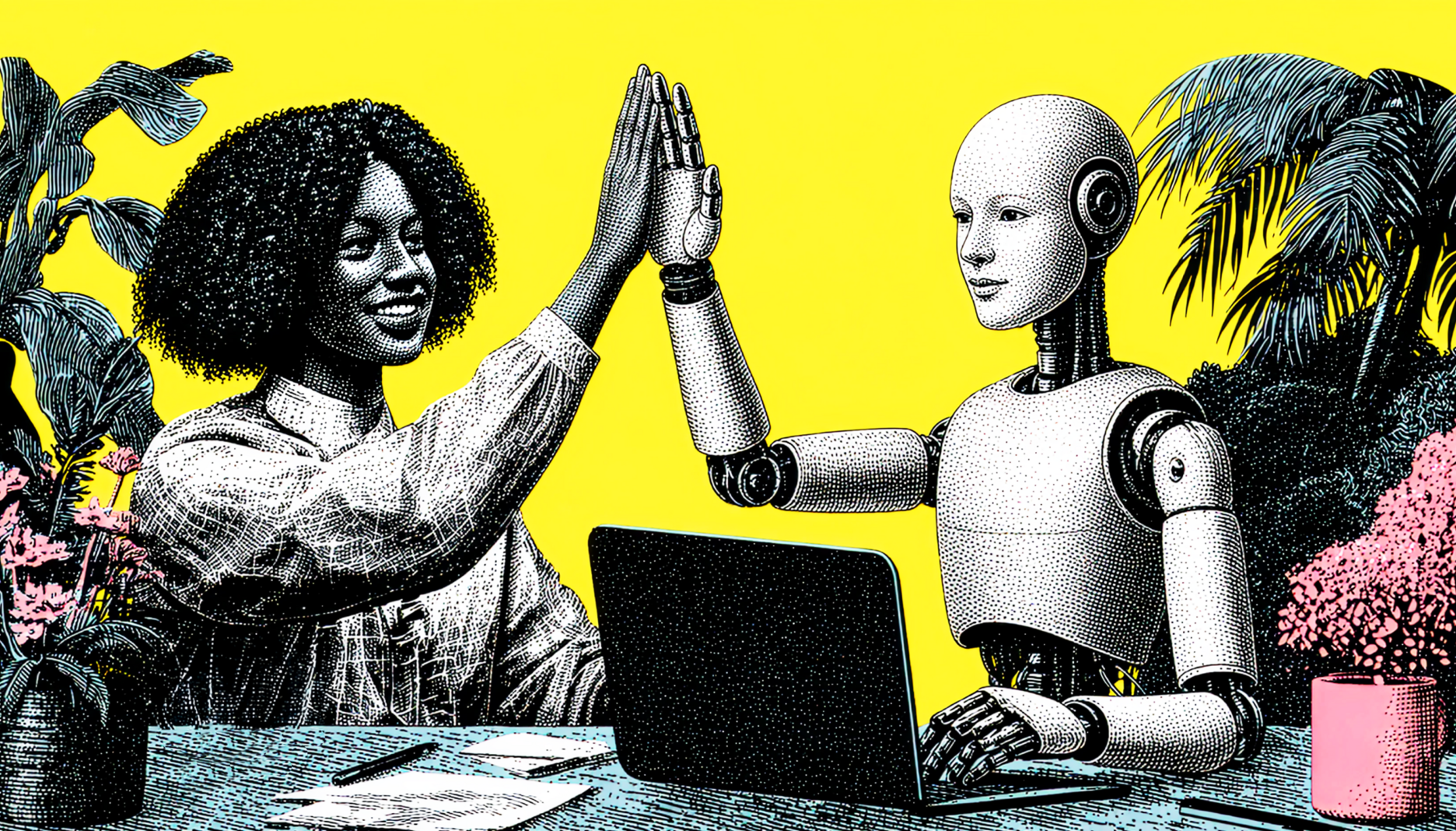
A Guide to Agent-native Product Management
Marcus Moretti, who runs Every's writing product Spiral solo, shares his agent-native approach to product management and skills to drop into any agent. "I no longer struggle with semicolons in SQL queries or even write tickets. All of my product management work happens in conversation with, in my case, Claude Code. The conversation is the work."

The Secret to Success Is 'Monotasking'
To mark the launch of his new book Inside the Box, Range author David Epstein explores the science of deep focus. "If you are disrupted by notifications all day, every day, then even if those external triggers magically disappear, you will unconsciously start interrupting yourself to maintain the rhythm of distraction you’re used to."
Silicon Valley Is Bracing for a Permanent Underclass
In her latest essay, Jasmine Sun reports from inside Silicon Valley's anxious conversations about AI and the future of work. "When 20-something software engineers in San Francisco talk about escaping the permanent underclass, I hear them projecting concerns about their own precarity: What happens if the invisible hand of the market decides that my skills are no longer valuable? Who will catch me if I fall? For once, a rarefied class of employees — those used to being the automaters, not the automated — is reckoning with their potential obsolescence."
Most highlighted YouTube Video of the week
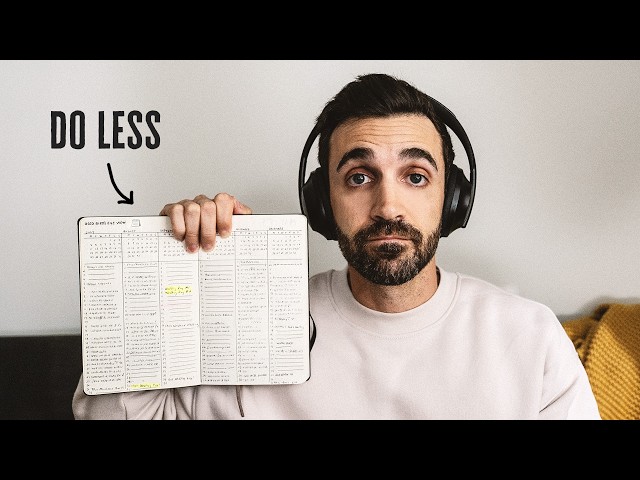
I tried to optimize my life. It made it worse.
Filmmaker Matt D'Avella reflects on how chasing optimization made him miserable. "It's not saying no to the things that are bad for us that's difficult. It's usually the things that are good for us that we have to say no to that are the most painful."
Most highlighted Twitter Thread of the week

Naval Ravikant: Apple is dead, SaaS is next, you have 18 months
Naval Ravikant’s recent podcast warning about AI’s threat to software has Mustufa Khan thinking through which company moats will hold up. "The companies that survive this transition won't be the ones with the best software. The software is going to zero. The companies that survive will be the ones that built something the AI cannot copy: Distribution. Network effects. Data flywheels. Hardware integration. Brand. Community. Regulatory depth."
Most highlighted PDF of the week
Technology Radar
Thoughtworks' latest Technology Radar maps the rapidly shifting AI agent landscape. "Prompt injection means models still can’t reliably distinguish trusted instructions from untrusted input. Simon Willison’s 'lethal trifecta' definition of an unsafe agent — private data, untrusted content, external action — now describes most useful agents by default, not by misconfiguration."
Hand-picked book of the week

Little Women
If you remember Little Women as a sweet Victorian novel about four sisters, Marmee March is probably the part you forgot. Louisa May Alcott modeled her on her own mother, and Marmee gets some of the most unexpectedly modern lines in the book:
"I am angry nearly every day of my life, Jo; but I have learned not to show it; and I still hope to learn not to feel it, though it may take me another forty years to do so."
This edition of Little Women is available through Standard Ebooks. You can explore their ever-expanding collection of high-quality, carefully formatted, and free public domain ebooks here.
Handpicked RSS feed of the week
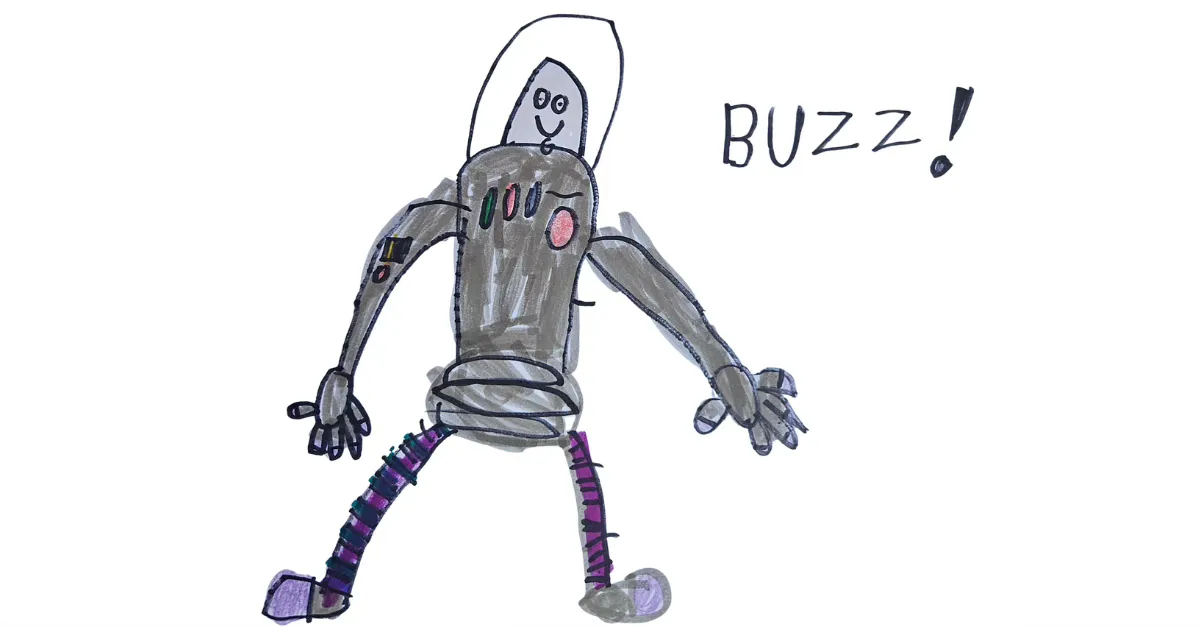
Here is your brain…
On her Substack illustrated by one of her kids, engineer and mom Juliette Ryan explores how dopamine, attention, and habit shape our daily lives. From You're not as focused as you think: "There are hidden stimuli that our brain is constantly filtering out below conscious awareness, each one draining our cognitive battery like a power-hungry app left running in the background."