Wisereads Vol. 141 — Invisible Influence by Jonah Berger, Nilay Patel on Software Brain, and more
Last week, we shared a preview of Decoding Greatness by psychologist Ron Friedman, a guide to reverse engineering what drives success. This week, we're sharing a preview of Jonah Berger's Invisible Influence: The Hidden Forces that Shape Behavior.
Keep reading to add to your Reader account below 👇
Most highlighted Articles of the week

Do I belong in tech anymore?
Design engineer Ky Decker quit their well-paying remote job. They reflect on leaving tech after AI-driven burnout, and on what gets lost when speed becomes the priority. "The point of a code review is not simply for good code to make it into a codebase, but to build institutional knowledge as people debate and iterate and compromise, slow as it may be. Friction is good."

A.I. Should Elevate Your Thinking, Not Replace It
There's a difference between using AI as leverage and using AI as a crutch, says Microsoft's Koshy John, and the line is easy to miss. "You can outsource mechanics, accelerate research and compress routine tasks. You can remove enormous amounts of low-value labor. All of that is good and should happen. But you cannot skip the formation of skill and expect to possess it anyway."
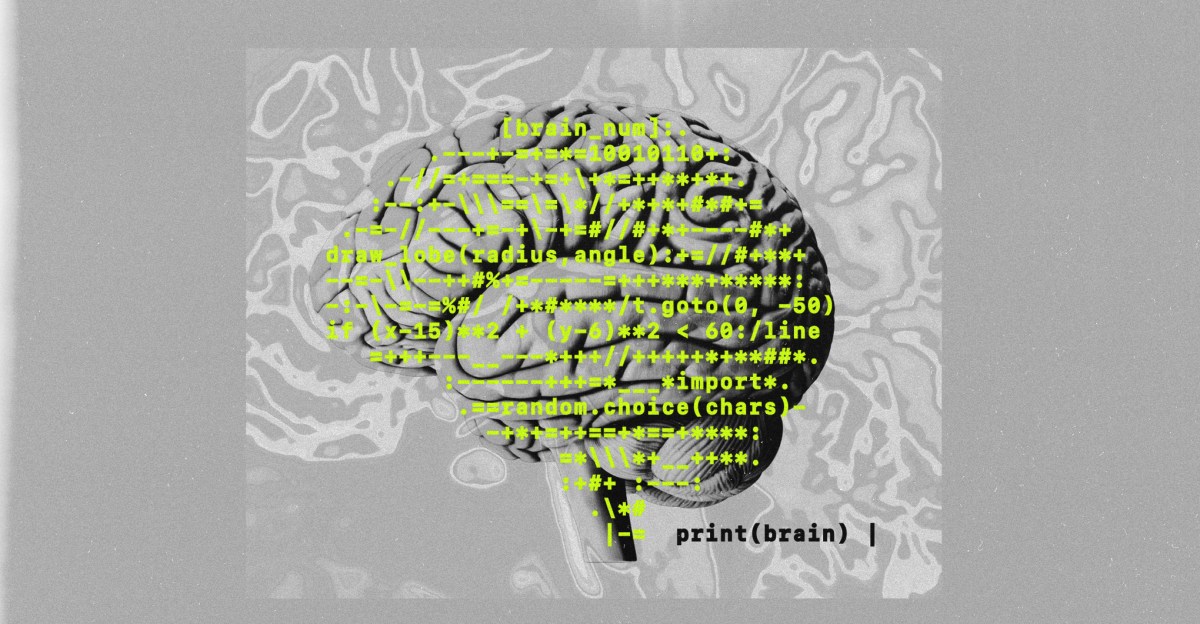
BEWARE SOFTWARE BRAIN
Nilay Patel, co-founder of The Verge, has a name for the worldview driving tech's disconnect with the public: software brain. "Not everything is a business, not everything is a loop, and the entire human experience cannot be captured in a database. That’s the limit of software brain. That’s why people hate AI. It flattens them. Regular people don’t see the opportunity to write code as an opportunity at all. The people do not yearn for automation."
Most highlighted YouTube Video of the week
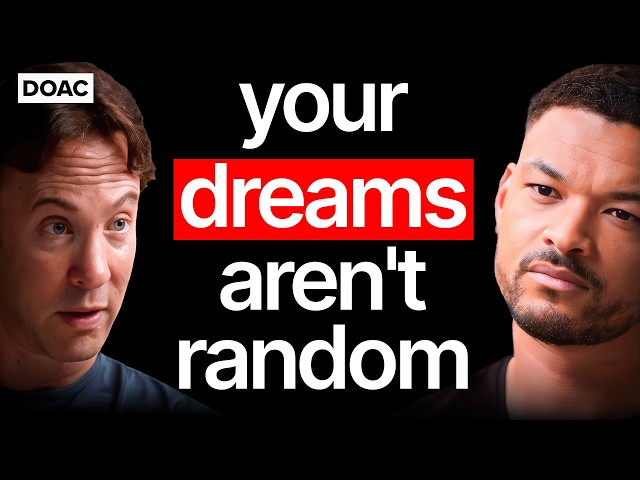
Stanford Neuroscientist: Can't Remember Your Dreams? Your Brain May Be Warning You!
Neuroscientist David Eagleman, author of Livewired, shares his lab's striking theory about why humans dream. "The purpose of dreaming is to defend the visual territory from takeover from the other senses. Because we live on a planet that rotates into darkness for half the time, the visual cortex is at a disadvantage. So every 90 minutes you've got this very ancient thing in your midbrain that shoots random activity into the visual system, and only the visual system."
Most highlighted Twitter Thread of the week

Designing for Agents
Weekly MCP users at Ramp have grown 10x in three months. Teddy Riker, from inside the product team, lays out a practical framework for building software in the agent era. "I don't think UI is dying. Humans still want to point and click, see their configurations, and verify completed work. But the 80/20 has flipped: the new 80% of interaction with software will be through agents. That changes not only what you need to build, but how you build it."
Most highlighted PDF of the week
Who Will Monetize Truth?
Francesco Marconi, former R&D chief at The Wall Street Journal, argues that the news industry's real asset isn't content but intelligence, the decision-grade analysis that powers Bloomberg and S&P Global. "Content informs awareness. Intelligence informs a decision. In 2025, seven companies that sell intelligence generated over $52 billion at margins above 35%. The entire U.S. newspaper industry generated $21 billion at margins near zero. Same raw material. Opposite economics."
Hand-picked book of the week
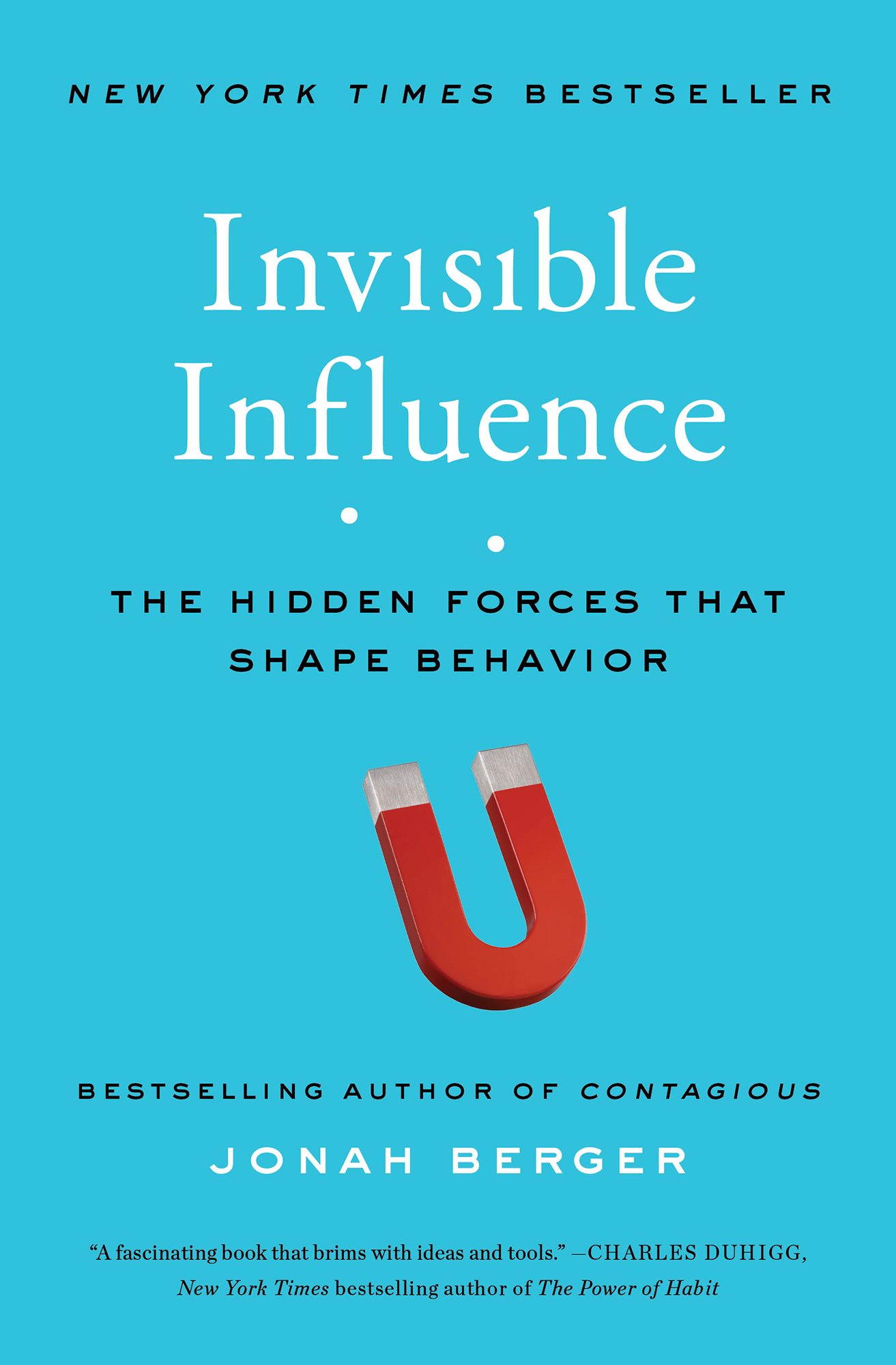
Invisible Influence
You picked your car rationally: best mileage, safest, the right fit. Your neighbor who bought the same one? They were swayed by other people. Obviously. In Invisible Influence, Wharton marketing professor Jonah Berger, bestselling author of Contagious and The Catalyst, has bad news. Social influence shapes nearly every choice we make, and we almost never notice.
"We like to think our choices are driven by our personal preferences and opinions. We think we pick a certain career because we find it interesting, or buy a particular jacket because we liked the way it looked. But subtle, almost imperceptible factors have a huge effect. And by understanding the science of social influence, we can all make better decisions."
If you enjoy the preview, you can grab the full ebook wherever ebooks are sold in the US and Canada for $1.99 for a limited time.
Handpicked RSS feed of the week

EAT GOOD | FEEL GOOD | LIVE GOOD
Capri Lilly writes a practical, gut-health-focused food newsletter with gluten-free recipes and tips to support digestion, hormones, and energy. From 10 High-Protein Dinners That Actually Take 30 Minutes: "This is one of those recipes that tastes like you spent an hour on it and takes about 25 minutes start to finish. The honey and ginger create a sauce that caramelizes beautifully. I like to cook the chicken and then toss green beans in these sauce for delicious sautéed sticky greens."