Wisereads Vol. 137 — David and Goliath by Malcolm Gladwell, Cal Newport on the crisis of shallow thinking, and more
Last week, we shared a preview of The Book of Elon by Eric Jorgenson. This week, we’re sharing a preview of David and Goliath by Malcolm Gladwell.
Keep reading to add to your Reader account below 👇
Most highlighted Articles of the week
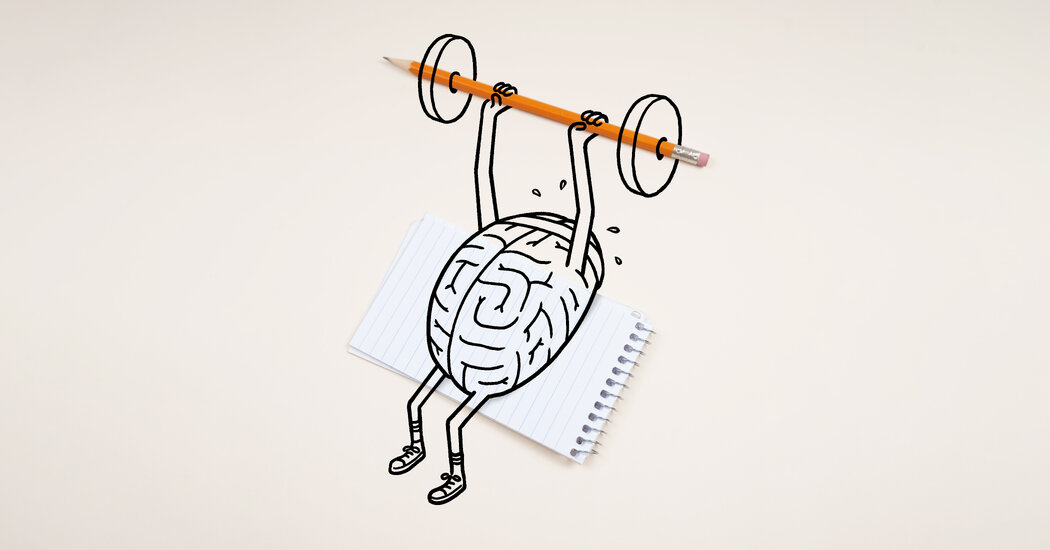
Technology Weakens Our Minds. We Can Fix This.
Georgetown computer science professor and Deep Work author Cal Newport argues for a coordinated push to protect our ability to think amid smartphones, social media, and AI. "I’m done ceding my brain — the core of all that makes me who I am — to the financial interests of a small number of technology billionaires or the shortsighted conveniences of hyperactive communication styles. It’s time to move past fretting about our slide into the cognitive shallows and decide to actually do something about it."
Thoughts on slowing the fuck down
Mario Zechner, creator of libGDX and longtime software engineer, urges caution when using AI coding agents, warning that unchecked autonomy creates brittle, unmaintainable systems. "With an orchestrated army of agents, there is no bottleneck, no human pain. You have removed yourself from the loop, so you don't even know that all the innocent booboos have formed a monster of a codebase."

I Saw Something New in San Francisco
Ezra Klein, New York Times opinion columnist and author of Why We're Polarized, considers the growing trend to "write for the A.I." and how intimate, ever-attentive systems might reshape personal thought and identity. "What makes A.I. truly persuasive isn’t that it praises our ideas or insights, it’s that it restates and extends them in a more compelling form than we initially offered, and does so while reflecting a polished image of ourselves back at us."
Most highlighted YouTube Video of the week
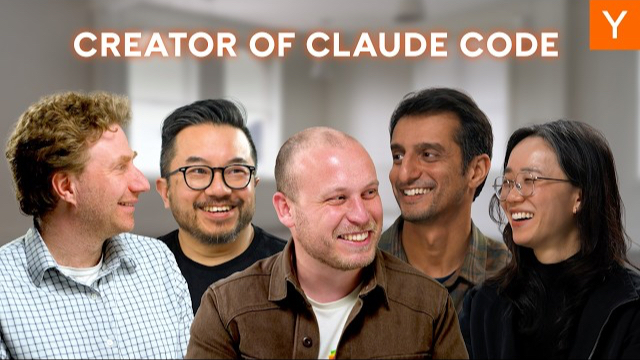
Inside Claude Code With Its Creator Boris Cherny
On Y Combinator’s Lightcone podcast, a candid interview with Anthropic engineer Boris Cherny reflects on how Claude Code emerged from rapid iteration, dogfooding, and watching real users. "Honestly it's just been so exciting and humbling, seeing how people are using Claude Code. I just wanted to build a cool thing and it ended up being really useful."
Most highlighted Twitter Thread of the week
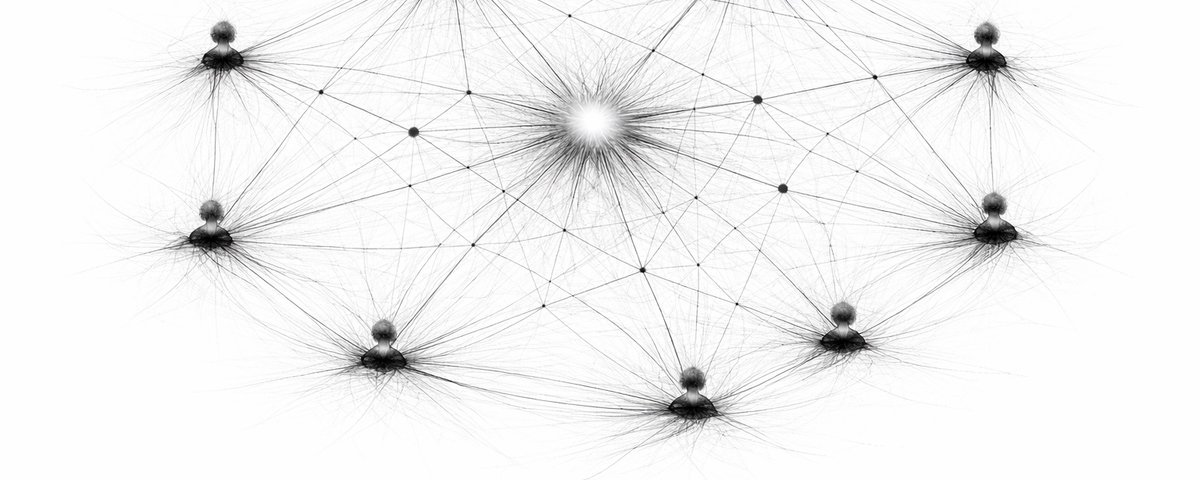
From Hierarchy to Intelligence
Block cofounder Jack Dorsey outlines how AI can replace hierarchical coordination to speed companies up. "For the first time, a system can maintain a continuously updated model of an entire business and use it to coordinate work in ways that previously required humans relaying information through layers of management."
Most highlighted PDF of the week
Hallucination Stations: On Some Basic Limitations of Transformer-Based Language Models
Stanford University’s Varin Sikka and VianAI Systems’ Vishal Sikka analyze LLM limits through computational complexity. "Our argument, in essence, is: if the prompt to an LLM specifies a computation (or a computational task) whose complexity is higher than that of the LLM's core operation, then the LLM will in general respond incorrectly."
Hand-picked book of the week
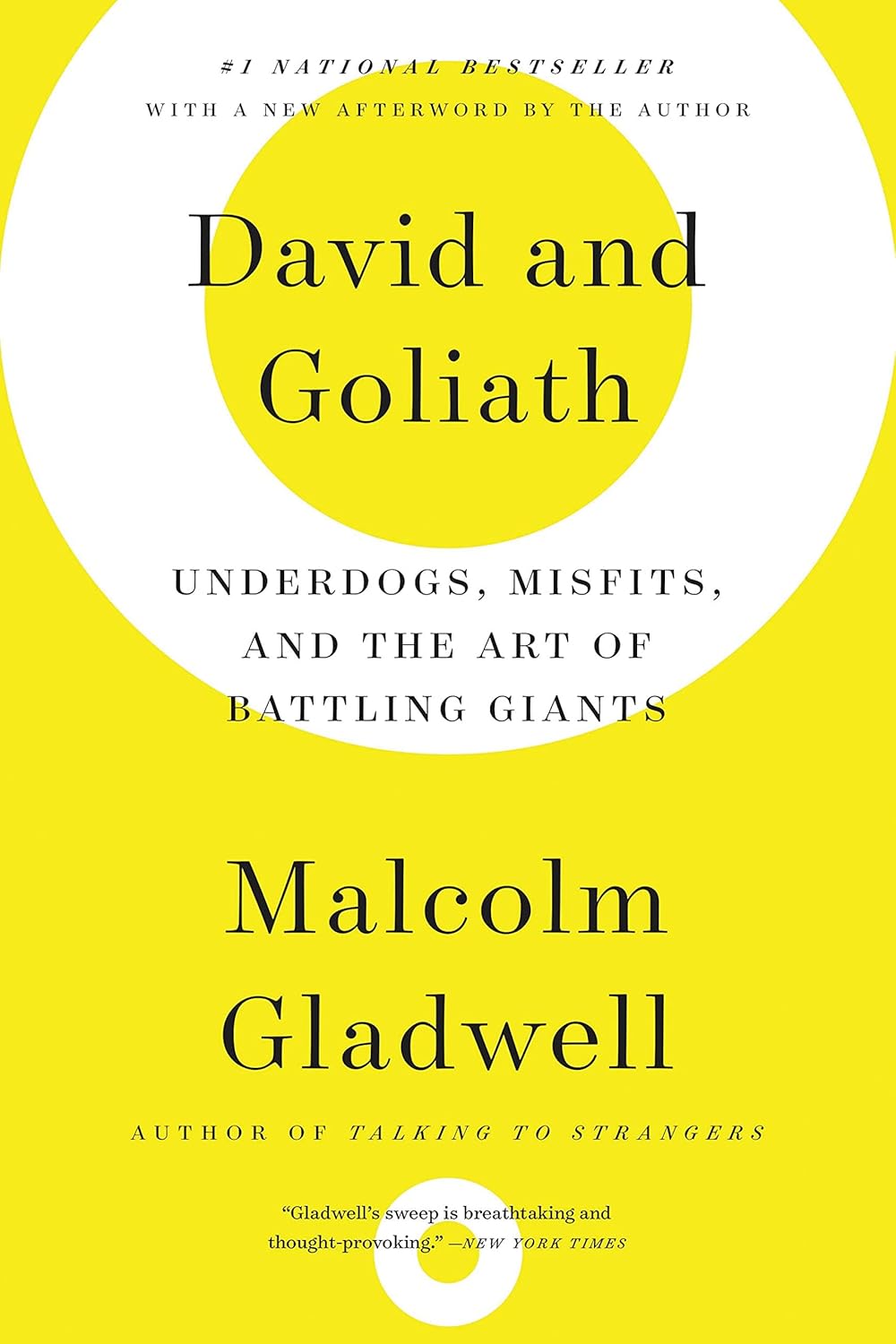
David and Goliath
Malcolm Gladwell, bestselling author of The Tipping Point and Outliers, reframes the classic underdog tale and shows how perceived weaknesses can become decisive strengths. Blending the biblical duel with modern case studies, from youth basketball to guerrilla warfare, David and Goliath challenges our assumptions about power and advantage.
"We think of underdog victories as improbable events: that’s why the story of David and Goliath has resonated so strongly all these years. Why, then, are we so shocked every time a David beats a Goliath?"
If you enjoy the preview, you can grab the full ebook wherever ebooks are sold in the US and Canada for $1.99 through the end of April.
Handpicked RSS feed of the week

No Sidebar
No Sidebar, started by Brian Gardner and managed by Becoming Minimalist's Joshua Becker, is a collaborative blog that distills simple and minimalist living into practical essays. From The Case for Doing Nothing: "Rest is not the opposite of progress. It’s part of progress. It’s how your brain resets, your body repairs, and your creativity flows. The most productive thing you can do right now might be absolutely nothing at all."