Wisereads Vol. 135 — Sharif Shameem on how embarrassment kills good ideas, what legalized sports betting really costs, and more
Last week, we shared On the Art of Reading by Arthur Quiller-Couch. This week, we’re sharing A Room with a View by E. M. Forster.
Keep reading to add to your Reader account below 👇
Most highlighted Articles of the week
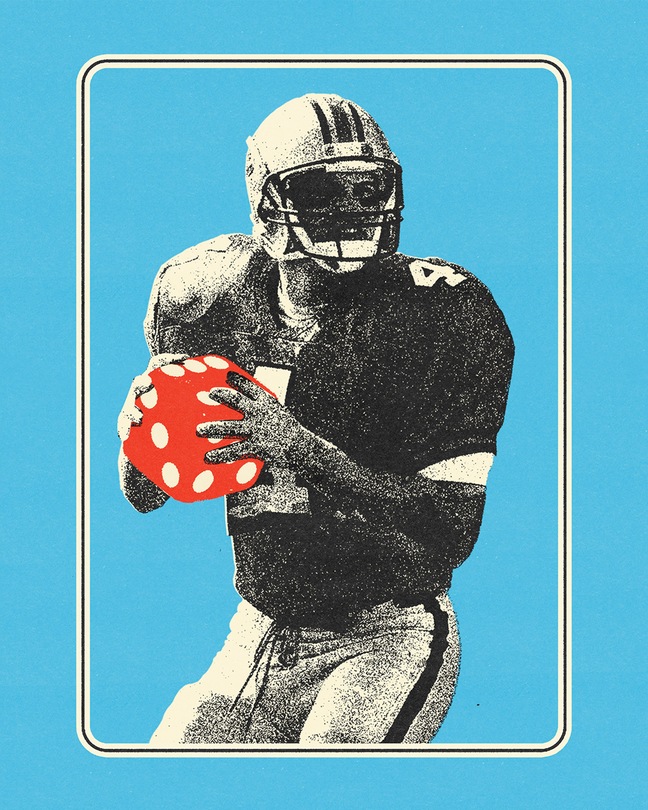
Sucker
Atlantic staff writer McKay Coppins documents how a modest assignment to try sports betting spiraled into late-night wagers, family ripple effects, and a broader reckoning with the industry’s grip on American sports. "As a society, we are making an enormously risky bet: that we can reap the rewards of a runaway gambling industry without paying any price; that, unlike every civilization that came before us, we can beat the house."

Willingness to look stupid is a genuine moat in creative work
AI entrepreneur Sharif Shameem, founder of Lexica and Debuild, explains how creative progress requires tolerating embarrassment and why shipping bad ideas is the path to good ones. "It feels like there's something like a conservation law at work here: the amount of stupidity you're willing to tolerate is directly proportional to the quality of ideas you'll eventually produce."

Every layer of review makes you 10x slower
Avery Pennarun, Tailscale cofounder and veteran systems engineer, argues that AI’s speed reveals how overgrown review pipelines throttle real progress and makes the case for engineering quality into the system itself. "The job of a code reviewer isn't to review code. It's to figure out how to obsolete their code review comment, that whole class of comment, in all future cases, until you don't need their reviews at all anymore."
Most highlighted YouTube Video of the week

how to take notes like the top 1% of students
Popular study YouTuber Gohar Khan shares five fixes to transform how you take notes. His guiding analogy: "Learning is like pottery; you focus on the overall shape and structure first, and then once you have that in place, you can go in and focus on the minor details and patterns to bring your masterpiece to life. Knowledge works similarly."
Most highlighted Twitter Thread of the week
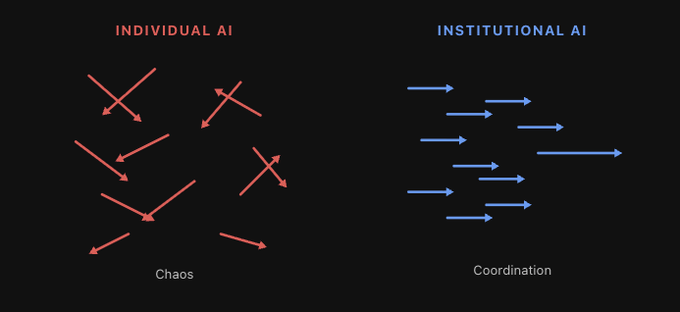
Productive Individuals Don't Make Productive Firms
Hebbia CEO George Sivulka argues that 10x individual gains won’t translate to firm performance without “Institutional AI” built around seven pillars that drive coordinated, revenue-generating outcomes. "In 2026, AI is driving a 10x increase in the productivity of the individuals who know how to leverage it. But that’s not enough. We’ve swapped the motor; we have not yet redesigned the factory."
Most highlighted PDF of the week
AI Must Embrace Specialization via Superhuman Adaptable Intelligence
From Meta’s chief scientist Yann LeCun and collaborators, this paper challenges human-like “generality” as a goal for AI progress and proposes a more practical guiding concept. "It is highly unlikely that an AI tasked to fold both proteins and laundry will exceed a protein-folding specialist at protein folding or a laundry-folding specialist at laundry folding. Given limited resources, capability should be allocated to the tasks that carry utility rather than to an anthropocentric notion of universal competence."
Hand-picked book of the week

A Room With A View
E. M. Forster’s Edwardian classic follows Lucy Honeychurch from sunlit Florence to stifling Surrey, weighing passion against propriety and the costs of conformity. A witty, subversive social novel that asks whether we can choose our own lives when everyone is watching.
“There is a certain amount of kindness, just as there is a certain amount of light . . . We cast a shadow on something wherever we stand, and it is no good moving from place to place to save things; because the shadow always follows. Choose a place where you won’t do harm—yes, choose a place where you won’t do very much harm, and stand in it for all you are worth, facing the sunshine.”
This edition of A Room with a View is available through Standard Ebooks. You can explore their collection of high quality, carefully formatted, and free public domain ebooks here.
Handpicked RSS feed of the week

Sebastian's Substack
Argentine economist Sebastian Galiani writes clear, data-driven essays on markets, culture, policy, and how it all relates to the human experience. From The Economics of Rock: "Art does not cease to be art because it is shaped by contracts, pricing, platforms, or technology. If anything, those forces make visible how contingent and fragile artistic life really is. The beauty remains real. So does the system surrounding it."