Wisereads Vol. 134 — Tim Ferriss on the trap of self-help, Paul Graham's exploration of brand versus quality, and more
Last week, we shared a preview of Beyond Belief by Nir Eyal. This week, we’re sharing On the Art of Reading by Arthur Quiller-Couch.
Keep reading to add to your Reader account below 👇
Most highlighted Articles of the week

Tech legend Stewart Brand on Musk, Bezos and his extraordinary life: ‘We don’t need to passively accept our fate’
Guardian writer Steve Rose profiles Stewart Brand, counterculture icon and Whole Earth Catalog founder, who reflects on a lifetime of future-making, from psychedelics and personal computing to Bezos, Musk, and a 10,000-year clock. "One of the key schisms of the counterculture was a tension between the technologists and the environmentalists. ... Brand straddled both camps. He saw how they could complement each other."
The Self-Help Trap: What 20+ Years of “Optimizing” Has Taught Me
After two decades as a leading self-improvement figure, Tim Ferriss reconsiders the pursuit of optimization and warns how it can backfire. "The older I get, the more I think that self-help can be a trap. Sometimes the cure is worse than the disease."
The Brand Age
Paul Graham, Y Combinator cofounder and technology essayist, traces how Swiss watchmaking shifted from engineering feats to conspicuous branding and what that shift reveals about luxury markets today. "Brand is what's left when the substantive differences between products disappear. But making the substantive differences between products disappear is what technology naturally tends to do. ... It's very much a story of our times."
Most highlighted YouTube Video of the week
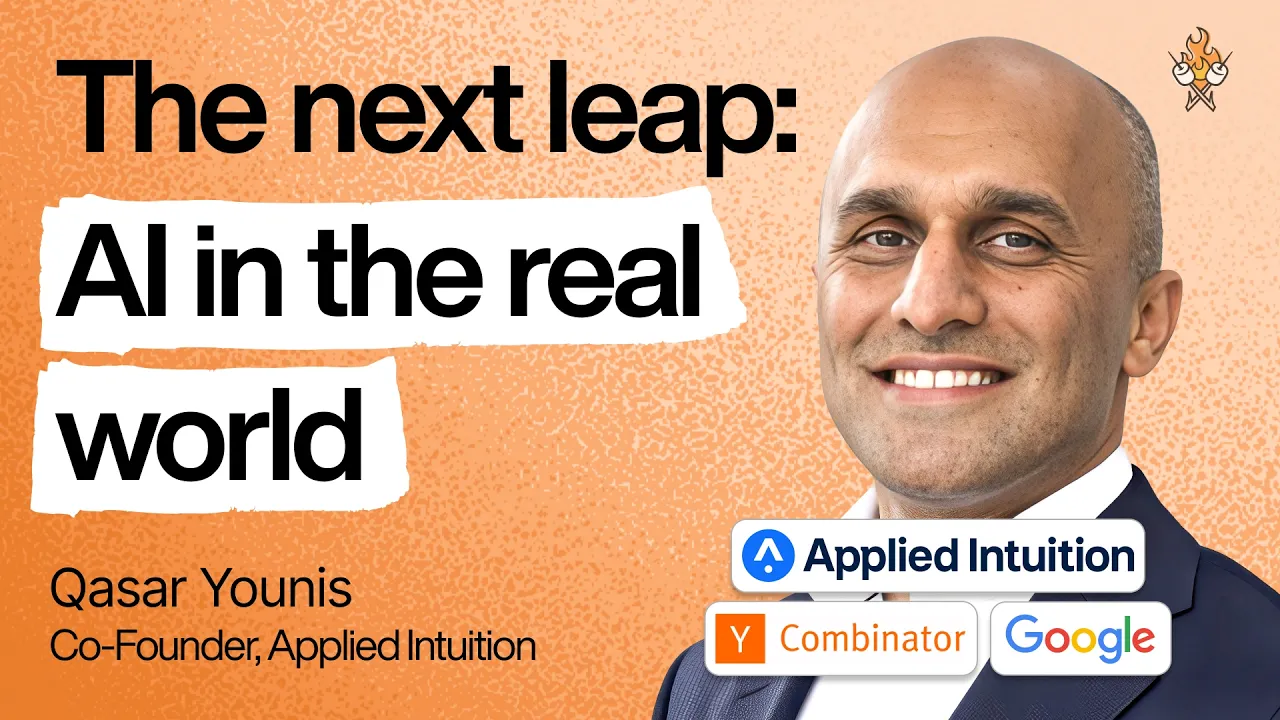
The most successful AI company you’ve never heard of | Qasar Younis
On Lenny's Podcast, former YC COO and current Applied Intuition CEO Qasar Younis makes the case that the real AI revolution is happening in the physical world, from cars to construction, and shares why autonomy at scale is nearer than people think. "I think the next thing that happens in five to seven years is then full autonomy becomes the thing that everyone expects."
Most highlighted Twitter Thread of the week
Services: The New Software
Sequoia Capital investor Julien Bek explains how AI autopilots capture services spend by selling outcomes, not tools. "A company might spend $10K a year for QuickBooks and $120K on an accountant to close the books. The next legendary company will just close the books."
Most highlighted PDF of the week
Labor Market Impacts Of AI: A New Measure And Early Evidence
Anthropic economists Maxim Massenkoff and Peter McCrory quantify AI job exposure using real usage and BLS data. "The rapid diffusion of AI is generating a wave of research measuring and forecasting its impacts on labor markets. But the track record of past pproaches gives reason for humility. For example, a prominent attempt to measure job offshorability identified roughly a quarter of US jobs as vulnerable, but a decade on, most of those jobs maintained healthy employment growth."
Hand-picked book of the week
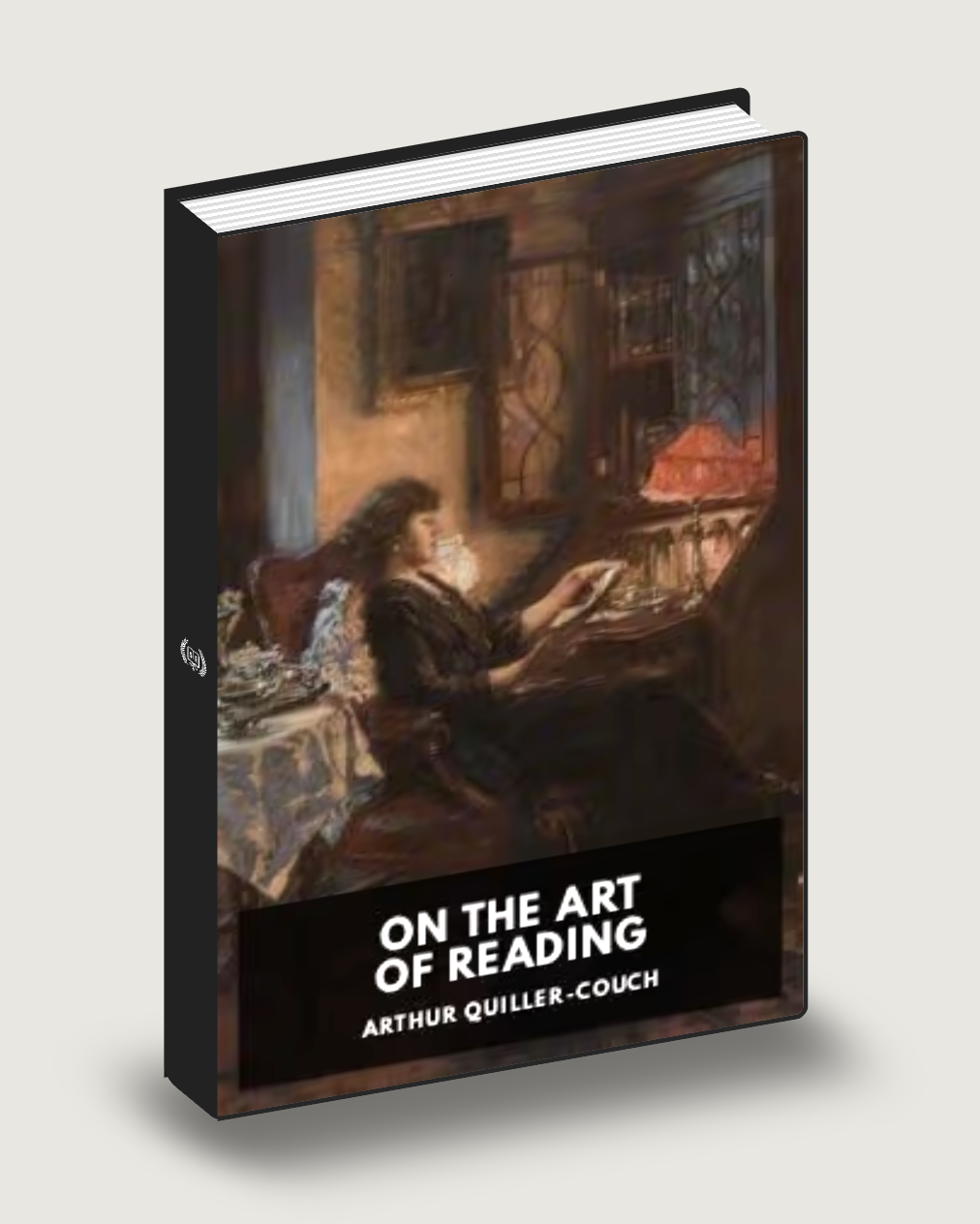
On the Art of Reading
In this collection of his lectures from 1916 to 1918, legendary Cambridge professor Arthur Quiller-Couch makes a spirited case for reading as a humane art, arguing that masterpieces shape taste and nourish the soul beyond mere information. Drawing on Browning to Shelley to the cadences of the Bible, he urges teachers and readers to treat literature as living experience, not examinable trivia.
"Masterpieces, then, will serve us as prophylactics of taste, even from childhood; and will help us, further, to interpret the common mind of civilisation. But they have a third and yet nobler use. They teach us to lift our own souls."
This edition of On the Art of Reading is available through Standard Ebooks. You can explore their collection of high quality, carefully formatted, and free public domain ebooks here.
Handpicked RSS feed of the week
The Culturist
The Culturist editors explore art, math, and literature, drawing on classical education. From Why do we study math?: "Wherever math and symmetry are taken seriously in the visual arts, the result is something of otherworldly beauty, and it fills us with the same sense of calm that classical music does."