Wisereads Vol. 129 — Mike Swanson on the quiet decay of good software, why coding was never the hard part, and more
Last week, we shared a collection of Mary Shelley's Short Fiction. This week, we’re sharing Joseph Conrad's The Mirror of the Sea.
Keep reading to add to your Reader account below 👇
Most highlighted Articles of the week
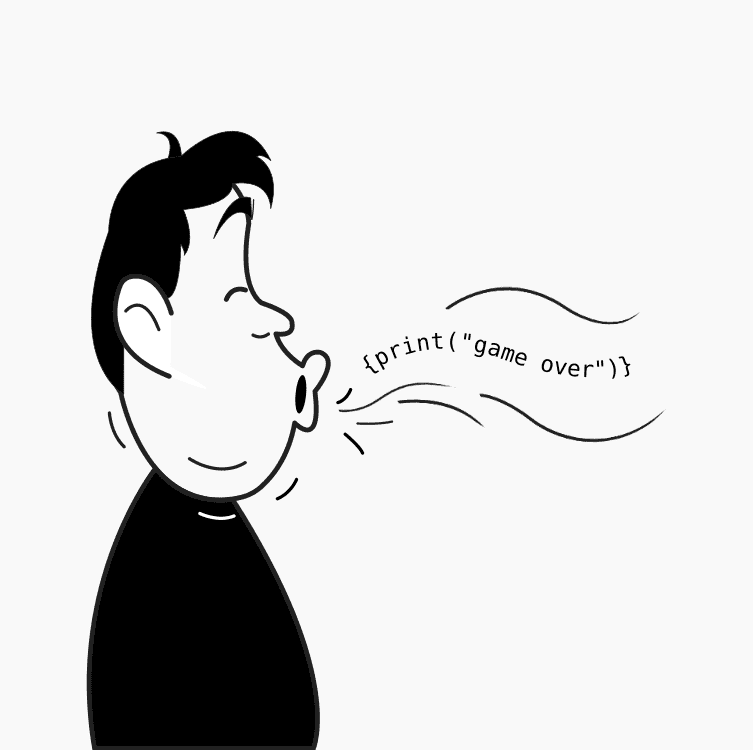
Code is cheap. Show me the talk.
Kailash Nadh, CTO of Zerodha and longtime FOSS engineer, explains where real leverage now lives in software. "For the first time ever, good talk is exponentially more valuable than good code. The ramifications of this are significant and disruptive. This time, it is different."

What technology takes from us – and how to take it back
Author Rebecca Solnit, acclaimed essayist on technology and culture, explores what humanity has lost to techn and how to reclaim it. "Technology has stolen us from each other and in many ways from ourselves, and then tried to sell us substitutes. Stealing ourselves back, alas, is not as easy as walking out the door. We need somewhere to go and, more importantly, someone to go to who likewise desires to connect."

Backseat Software
Software veteran Mike Swanson, formerly at Microsoft, argues that software has shifted from user-controlled tool to attention-hijacking channel. "Instead, let’s make software that respects your attention, does its job well, and lets you get on with your life. That’s what good software used to feel like and what it could feel like again. Good software is a tool that you operate, not a channel that operates on you."
Most highlighted YouTube Video of the week

The creator of Clawd: "I ship code I don't read"
Gergely Orosz, former Uber engineering manager, interviews Openclaw founder Peter Steinberger about how AI has changed his engineering workflows. "Surprisingly, actually using agentic coding makes you a better coder, because you have to think harder about your architecture so that it's easier to verify."
Most highlighted Twitter Thread of the week
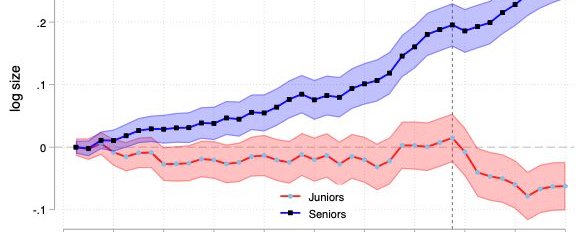
The K-Shaped Future of Software Engineering
Ian Tracey, a Pinterest alum with over a decade working with engineering teams, reframes AI’s impact on developer demand: "Software is unusual. Unlike farming or manufacturing, there's no natural ceiling on demand. There's no field that's fully planted, no quota that's been met. The work expands to fill the available capacity and then expands further."
Most highlighted PDF of the week
How AI Impacts Skill Formation
Anthropic researchers Judy Hanwen Shen and Alex Tamkin study how AI tools reshape developer learning in randomized trials. "Our main research questions are (1) whether AI improves productivity for a coding task requiring new concepts and skills, and (2) whether this use of AI reduces the level of understanding of these new concepts and skills."
Hand-picked book of the week
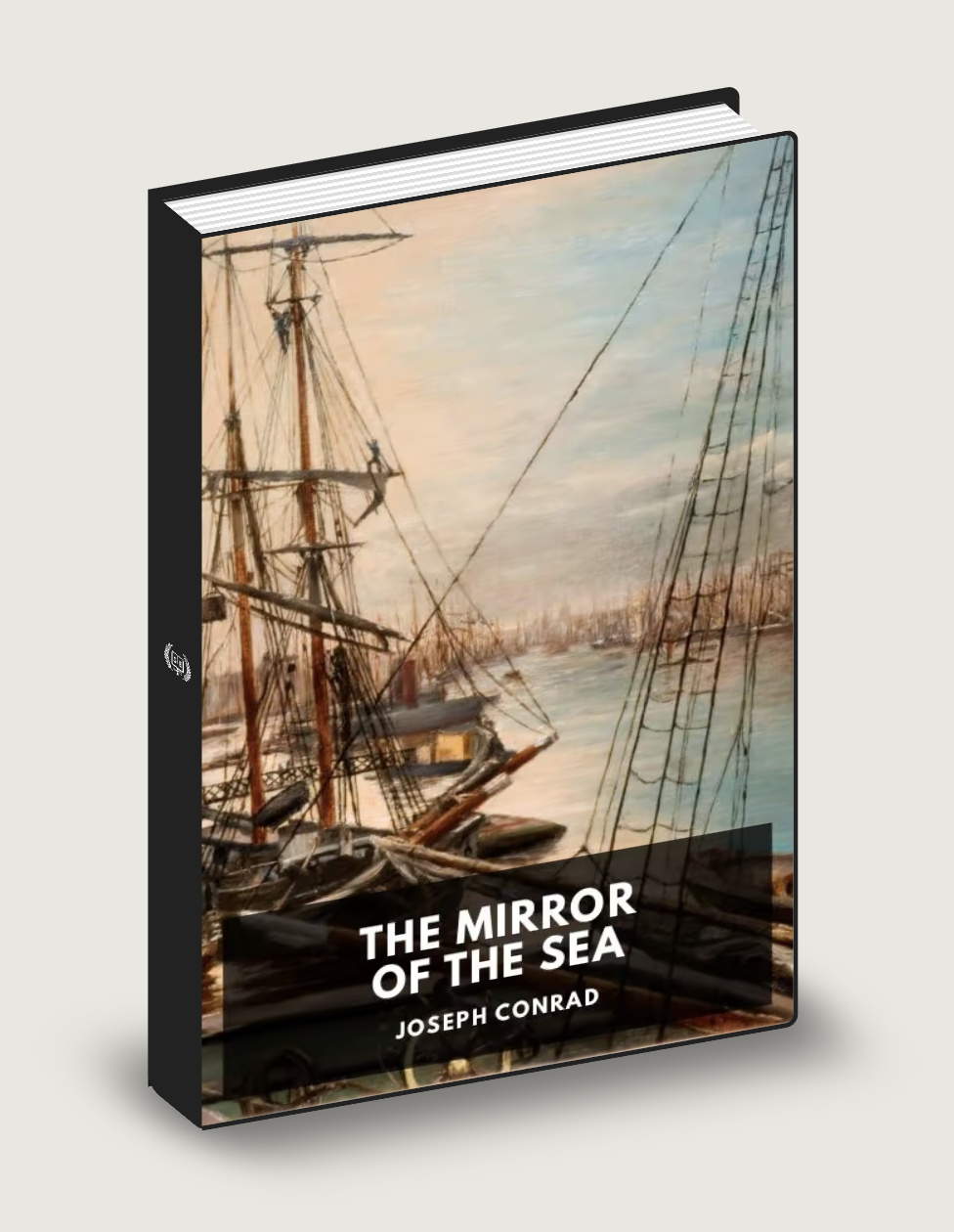
The Mirror of the Sea
Before becoming a writer, Joseph Conrad spent many years as a merchant marine sailor. In this autobiographical memoir, he explores seafaring's machinery and mystery and his own relationship with being at sea.
"For what is the array of the strongest ropes, the tallest spars and the stoutest canvas against the mighty breath of the infinite, but thistle stalks, cobwebs and gossamer?"
This edition of The Mirror of the Sea is available through Standard Ebooks. You can explore their collection of high quality, carefully formatted, and free public domain ebooks here.
Handpicked RSS feed of the week

The Autodidacts
The Autodidacts, a blog by three brothers who are self-educated makers and researchers, explores craft, learning, and internet culture. From Earnestness: "Criticising is much easier than building, but building is more valuable. Earnestness is a builder’s attitude. And sometimes, even when paired with 'unrealistic' ideas and optimism, that attitude is just what’s needed to change the world."