Wisereads Vol. 125 — The lessons Addy Osmani learned at Google, Boris Cherny on Claude Code, and more
Last week, we shared How to Live on 24 Hours a Day, a short guide from 1910 on making the most of your time. This week, in honor of Public Domain Day, we’re sharing a new addition to Standard Ebooks’ catalog: William Faulkner’s As I Lay Dying.
Keep reading to add to your Reader account below 👇
Most highlighted Articles of the week
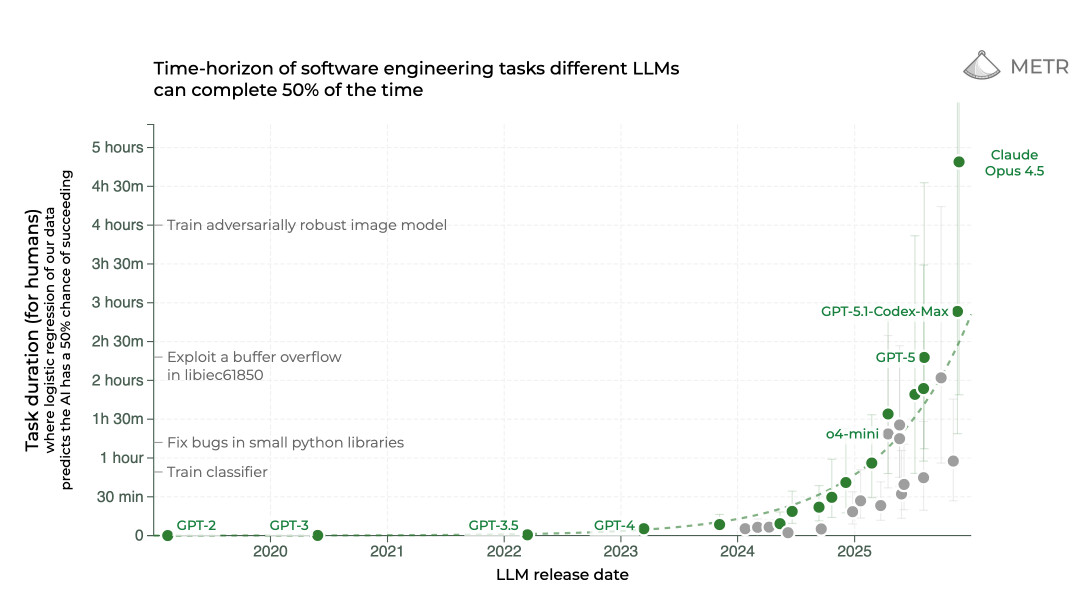
2025: The year in LLMs
Looking back on 2025, developer and Django co-creator Simon Willison recaps the major LLM shifts of the year, from reasoning: "It turned out that the real unlock of reasoning was in driving tools. Reasoning models with access to tools can plan out multi-step tasks" to Merriam-Webster’s word of the year, slop: "The internet has always been flooded with low quality content. The challenge, as ever, is to find and amplify the good stuff... Curation matters more than ever."
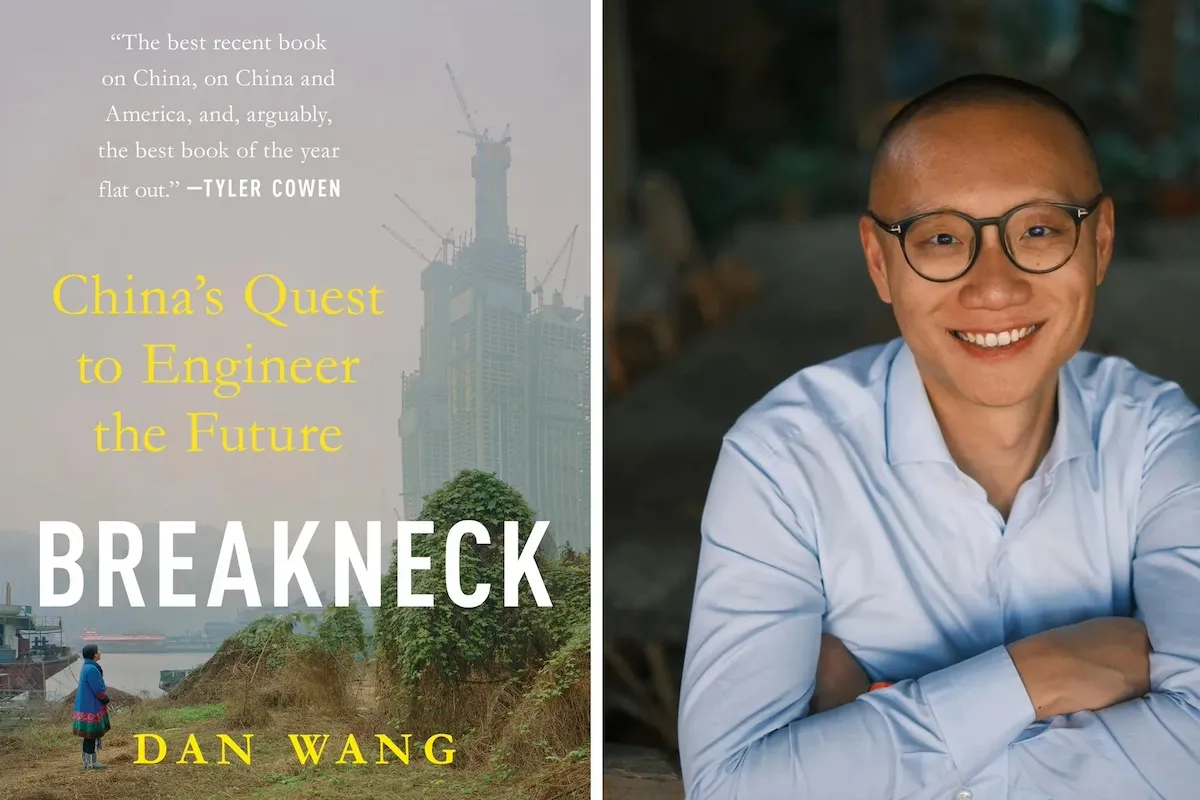
2025 letter
Dan Wang, bestselling author of Breakneck and longtime China tech analyst, reflects on the parallels between China and the Bay Area in his latest annual letter. "I am not a skeptic of AI. I am a skeptic only of the decisive strategic advantage, which treats awakening the superintelligence as the final goal. Rather than “winning the AI race,” I prefer to say that the US and China need to “win the AI future.” There is no race with a clear end point or a shiny medal for first place."
21 Lessons From 14 Years at Google
After 14 years at Google, developer Addy Osmani shares hard-won advice for programmers looking to grow beyond just writing code, including: "Your code is a strategy memo to strangers who will maintain it at 2am during an outage," and "You can win every technical argument and lose the project."
Most highlighted YouTube Video of the week
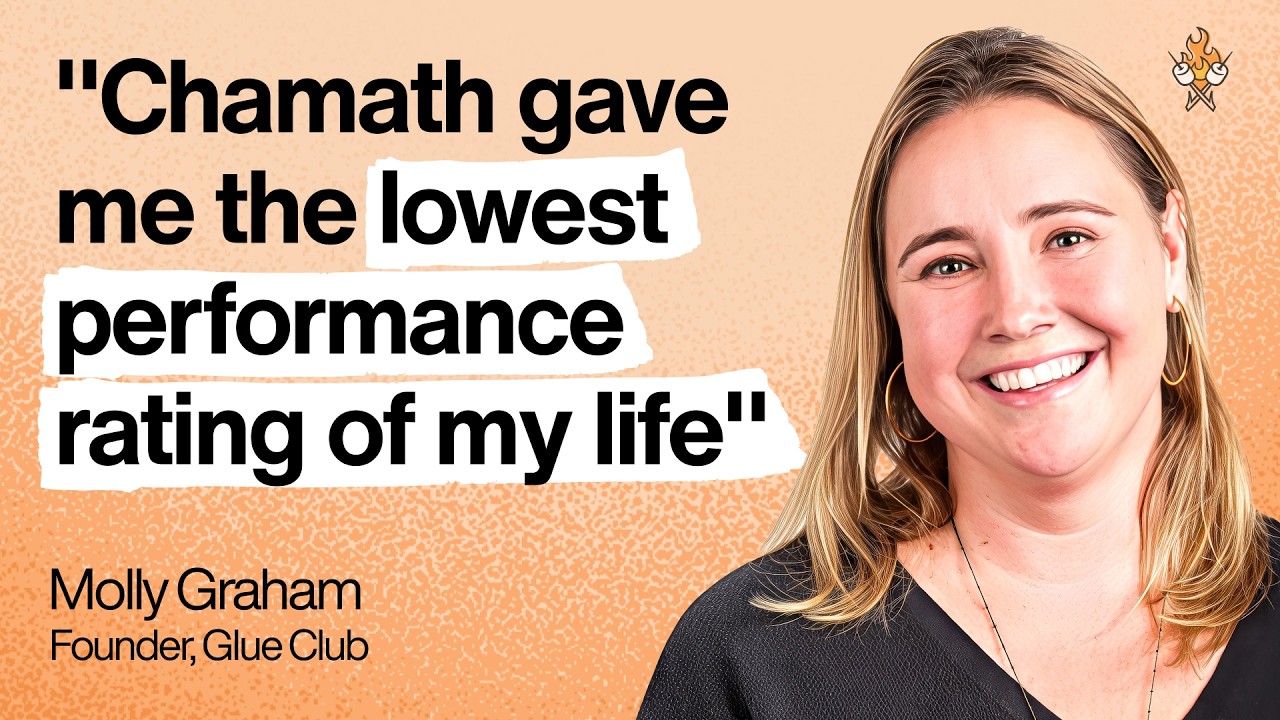
The high-growth handbook: Molly Graham’s frameworks for leading through chaos, change, and scale
Learn to "give away your Legos" (and other career hacks for scaling teams) from Molly Graham on Lenny’s latest podcast. "I've watched a lot of people over many years struggle with feeling like they should hang on to the thing that they’ve been good at... if you actually just stay and build houses, eventually you're literally buried under a pile of Legos."
Most highlighted Twitter Thread of the week

I'm Boris and I created Claude Code
Claude Code creator Boris Cherny reveals tips for getting more out of the tool: "A final tip: probably the most important thing to get great results out of Claude Code -- give Claude a way to verify its work. If Claude has that feedback loop, it will 2-3x the quality of the final result."
Most highlighted PDF of the week
Recursive Language Models
Researchers at MIT’s Computer Science and Artificial Intelligence Laboratory introduce Recursive Language Models: a new method that helps LLMs handle longer prompts more accurately, and often more cheaply. "The key insight is that long prompts should not be fed into the neural network (e.g., Transformer) directly but should instead be treated as part of the environment that the LLM can symbolically interact with."
Hand-picked book of the week
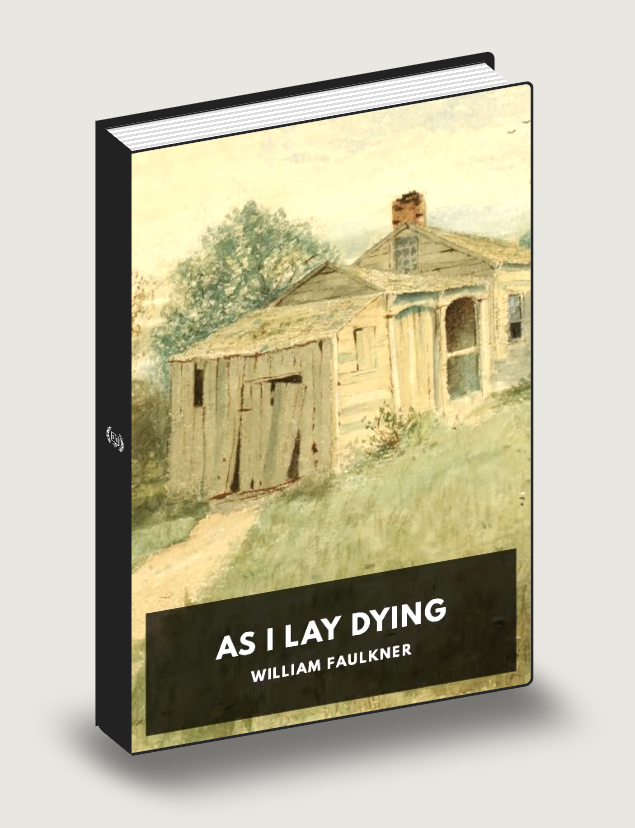
As I Lay Dying
In celebration of Public Domain Day, when new works enter the U.S. public domain each new year, we’re sharing Nobel laureate William Faulkner’s fifth novel, As I Lay Dying. A staple on both The Guardian and the Modern Library lists of the 100 best novels, this short novel follows a dysfunctional Mississippi family as they contemplate death, infidelity, and religion on their pilgrimage to bury Addie Bundren’s casket in her hometown.
"Sometimes I ain’t so sho who’s got ere a right to say when a man is crazy and when he ain’t."
This edition of As I Lay Dying is available through Standard Ebooks. You can explore their ever-expanding collection of high quality, carefully formatted, and free public domain ebooks here.
Handpicked RSS feed of the week

Niklas Göke
Daily essayist and Four Minute Books founder, Niklas Göke, explores writing craft and self-improvement on his blog. From The Suck Is Why We’re Here: "I don’t write a daily blog to crank out a post every day. I write a daily blog to make sure I remember how to think. It’s a daily practice for my brain. AI can generate output, but it can’t give me any of these benefits."